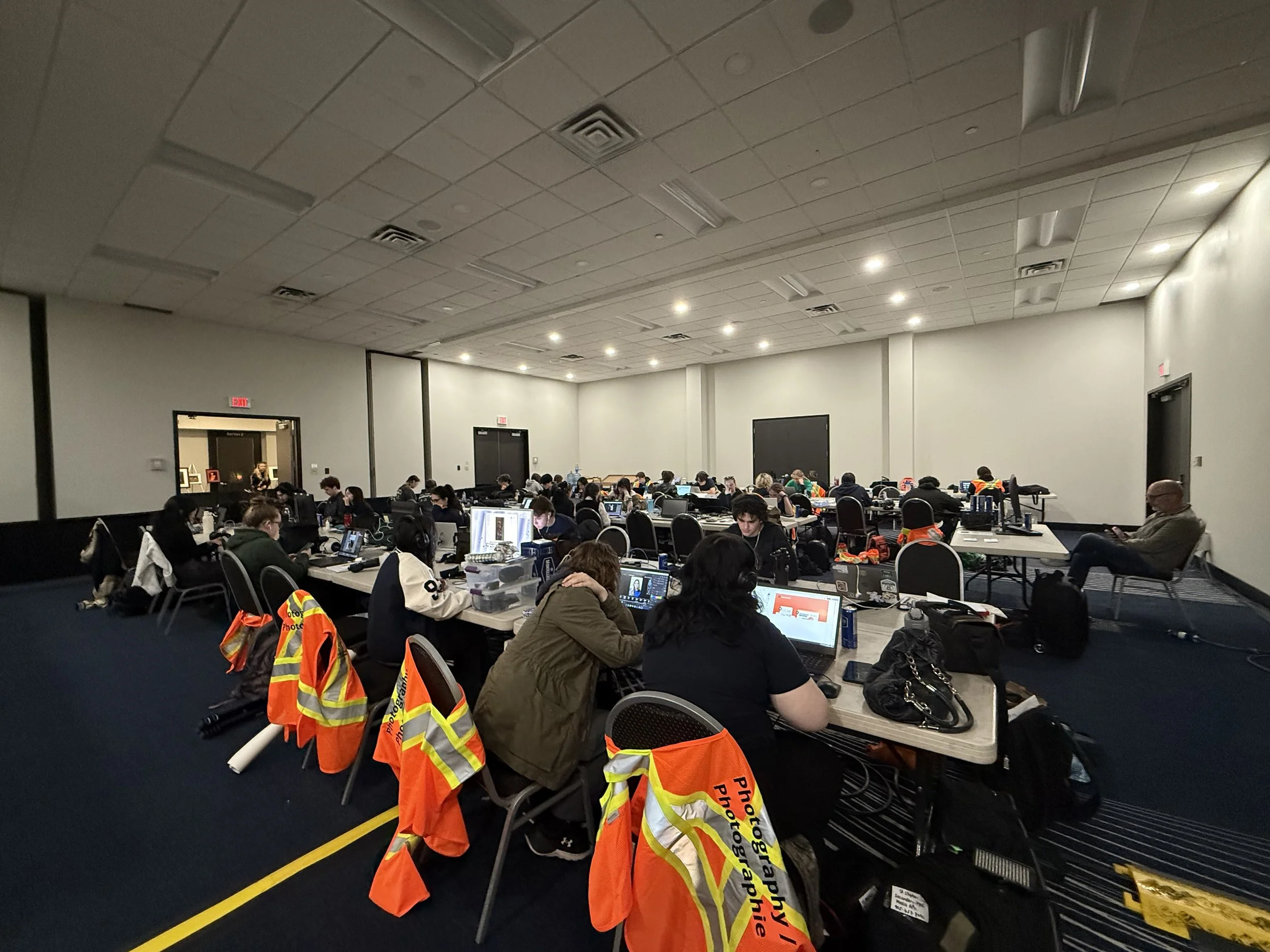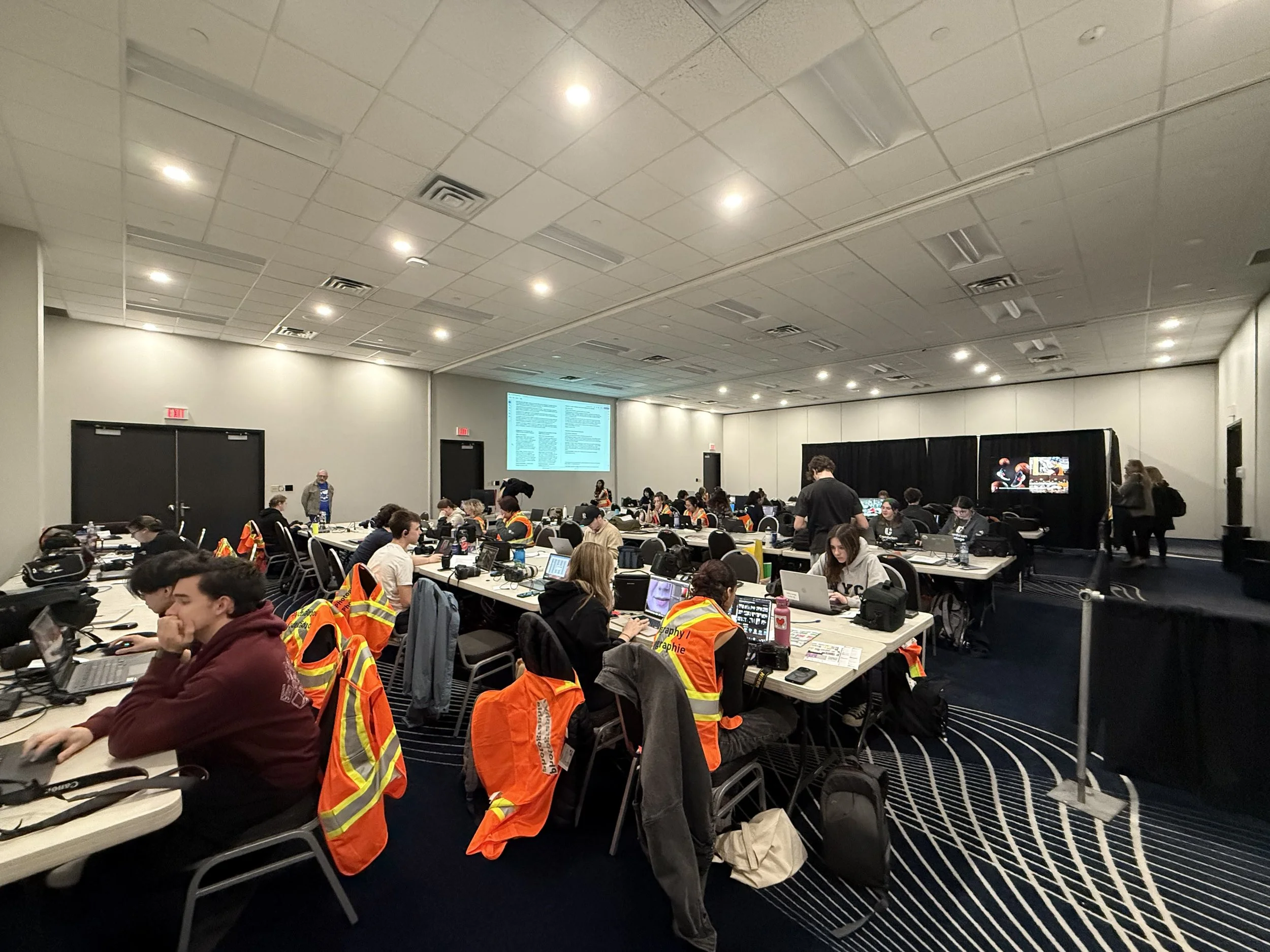
Skills 2026 Photography Competition Examples
Welcome, future Skills Ontario photography competitor!
Preparing for the Skills Ontario photography competition can feel overwhelming, especially if it’s your first time. To help you understand what judges are looking for, this page features example work from the 2024 Photography competition winners.
These examples are intended to show the level of quality, consistency, and professionalism expected across the different parts of the contest.
Important: Every year, the scope, assignments, and images change. These examples are not templates and should not be copied directly. Always follow the current year’s scope (2026) when preparing your submission.
About These Examples
The examples shown on this page are from 2024 only and are provided for context and preparation, not as templates. You will not receive exactly the same assignments, images, or briefs in 2026.
The work featured below comes from the 2024 competition winners.
Secondary Example: Marius (2024 Secondary Gold Medallist)
Post-Secondary Example: Delgado and Brooke (2024 Post-Secondary Gold & Silver Medalists)
Part 1: Printed Photograph
What this part of the challenge is about
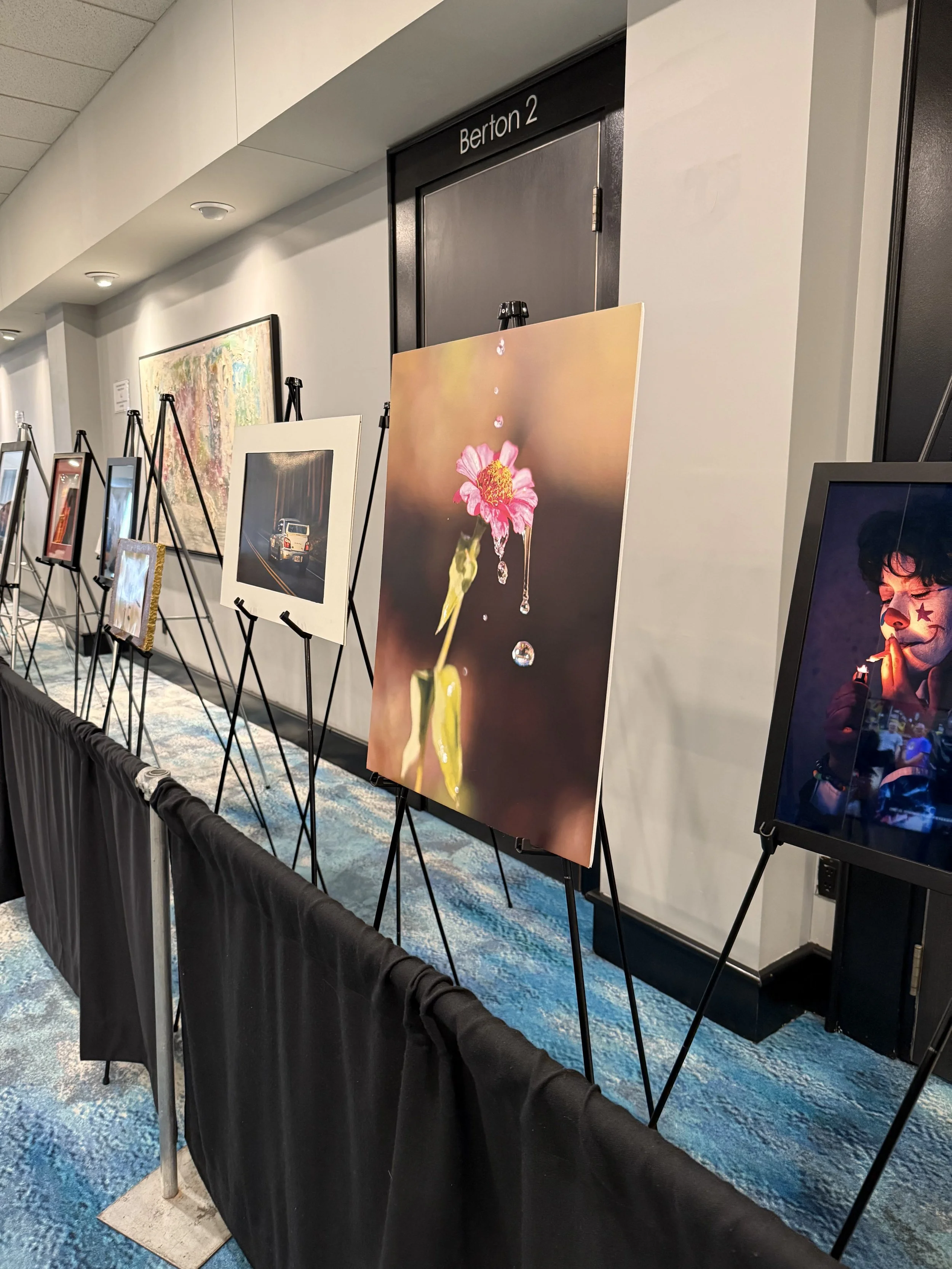
The printed photograph is your opportunity to let one image stand on its own. Judges assess impact, presentation, and craftsmanship. This part isn’t about complexity — it’s about choosing the right image and presenting it well.
What we were looking for
Strong prints immediately draw the viewer in. The subject is clear, the composition feels intentional, and the image reads well from a distance. Presentation choices support the photograph rather than distract from it. The strongest prints felt confident, not overworked.
-
The competition scope is the official document you receive in advance and the primary basis for judging.
The Spec Assignments (Statements of Work / SOWs) are provided during the competition, not ahead of time. They do not replace the scope. Instead, they add real-world context — similar to how photographers work with clients in professional practice.
Judges assess work based on the scope, but use the SOWs to understand whether the images produced are not only technically strong, but also appropriate for the client, purpose, and constraints described in the brief. In photography as a skilled trade, strong work still needs to be right for the job.
The scope, SOWs, and images change every year.
The examples shown on this page are from 2024 only and are provided for context and preparation — not as templates. You will not receive the same assignments, images, or briefs in 2026.If your work is visually strong but does not meet the requirements of the brief, it will not score as well as work that successfully balances creative quality and professional execution.
Part 2: Digital Portfolio
What this part of the challenge is about
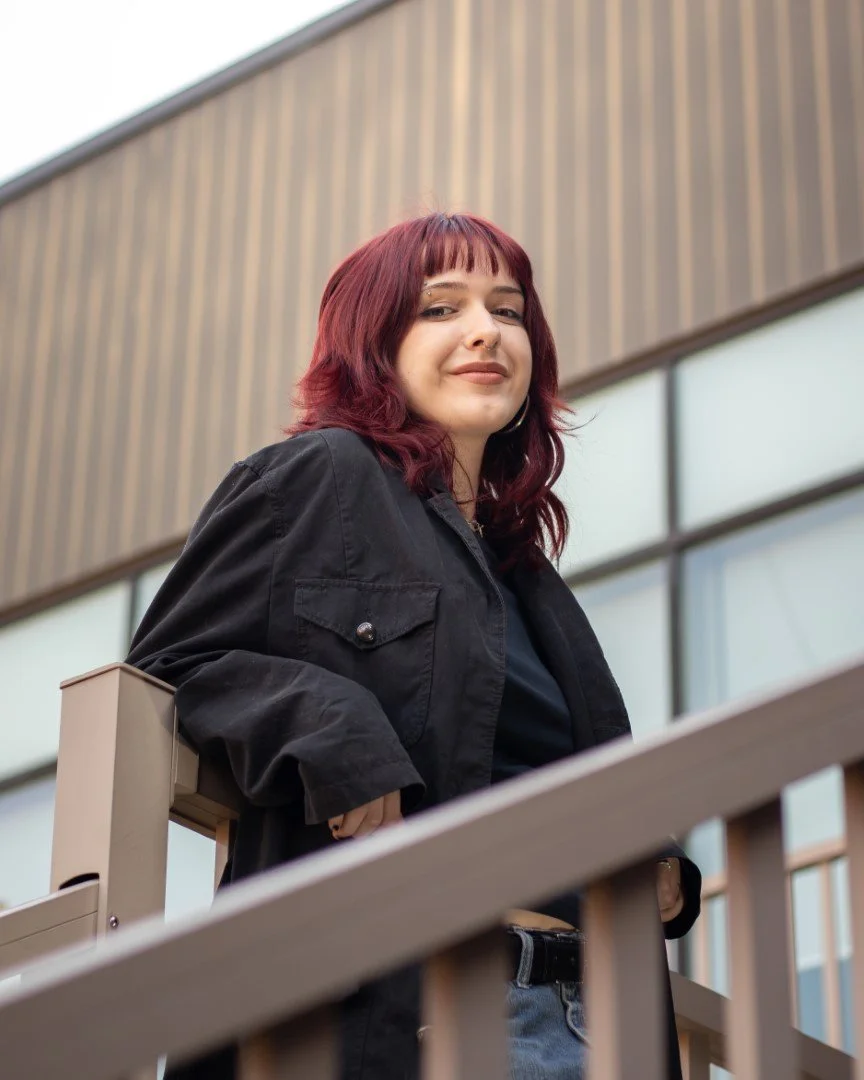
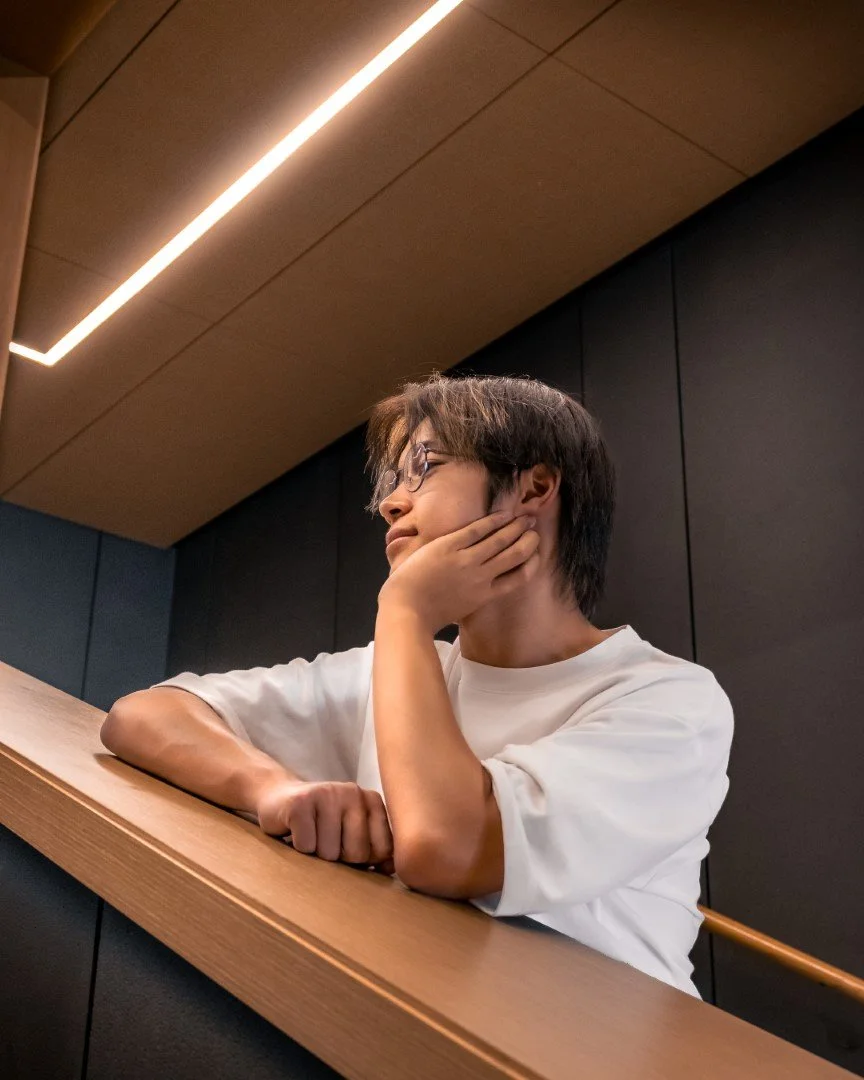
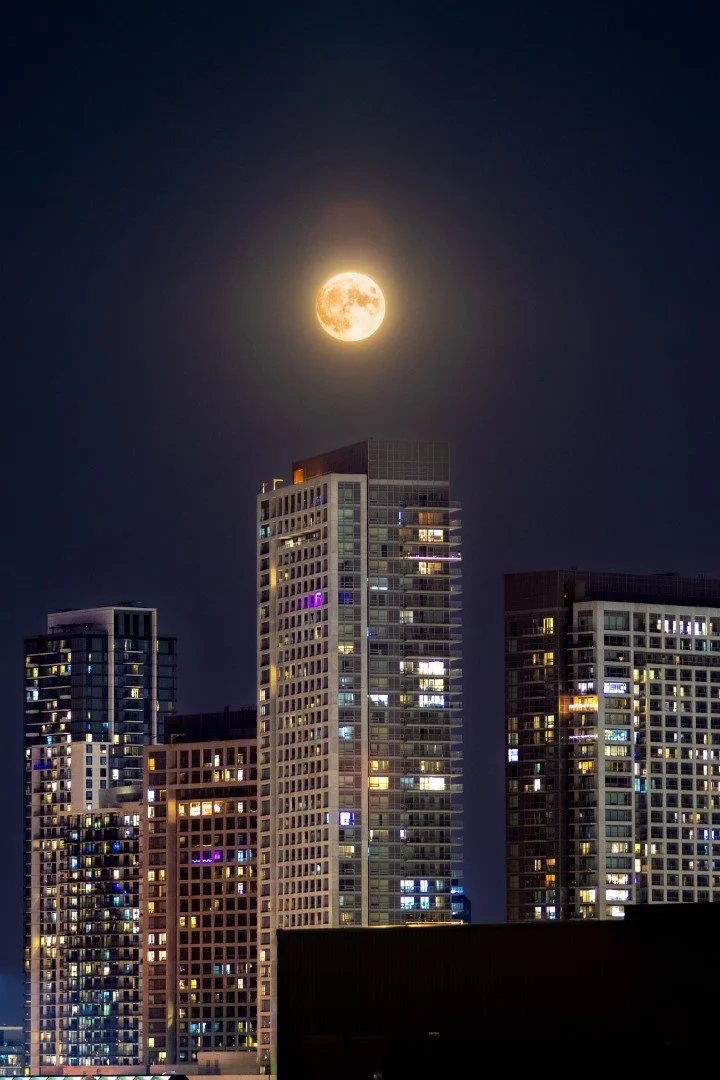
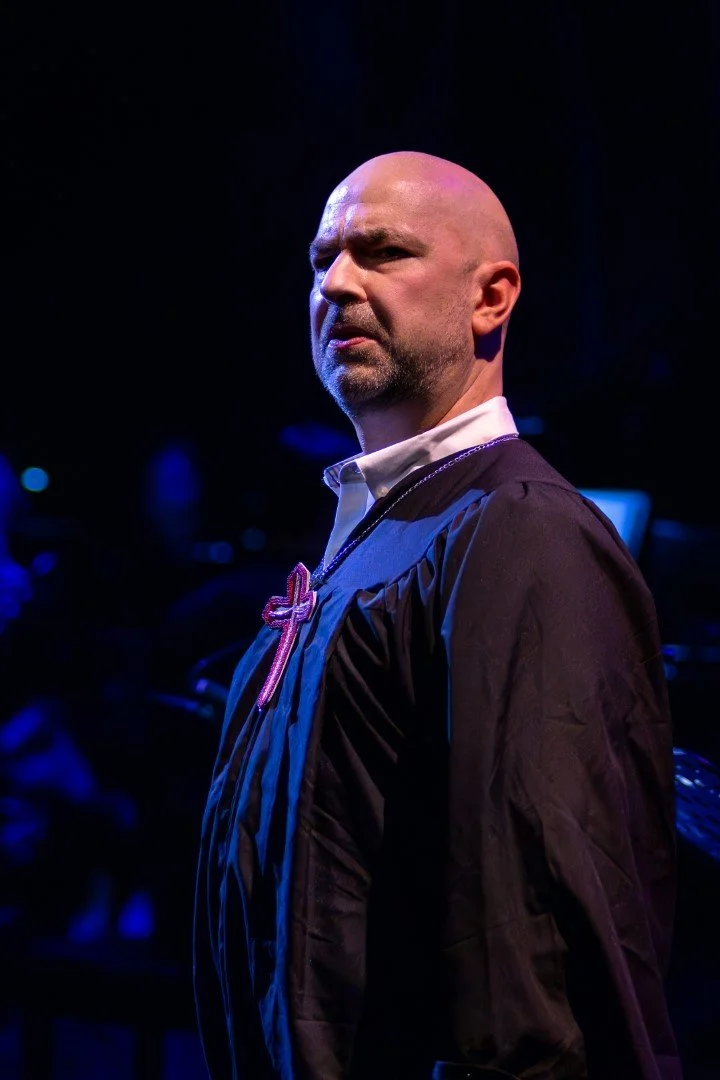
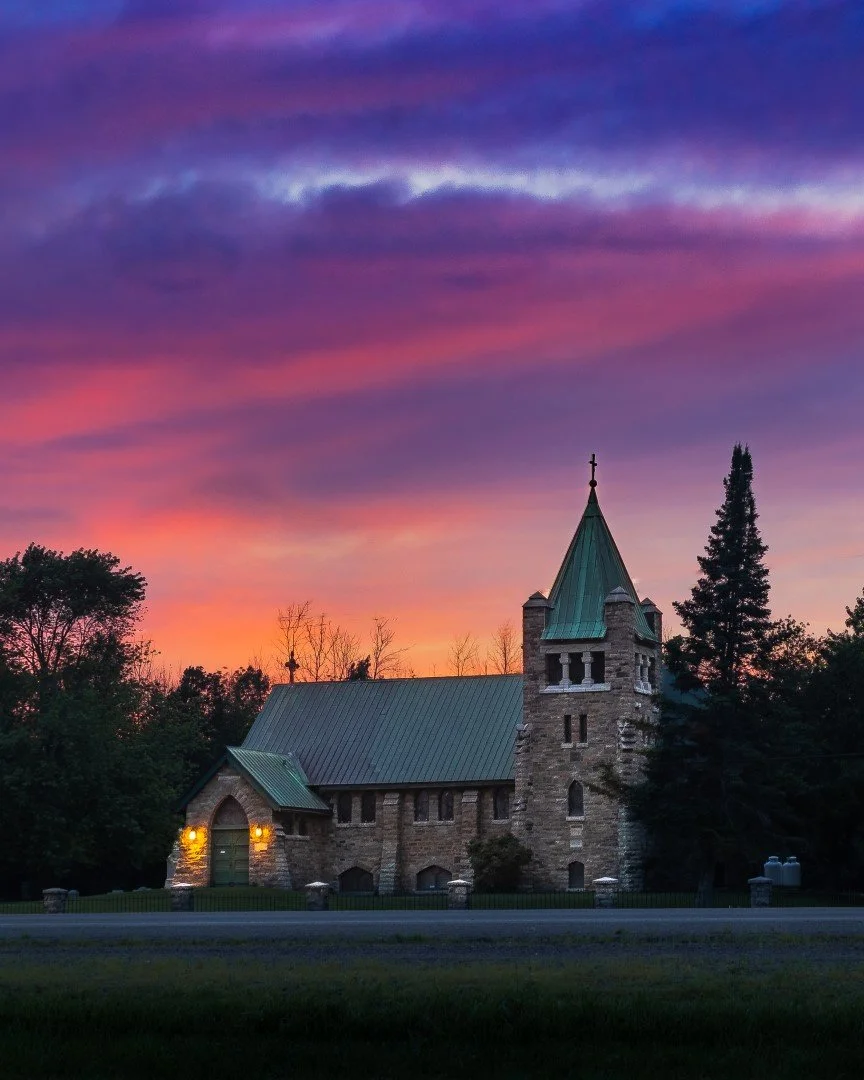
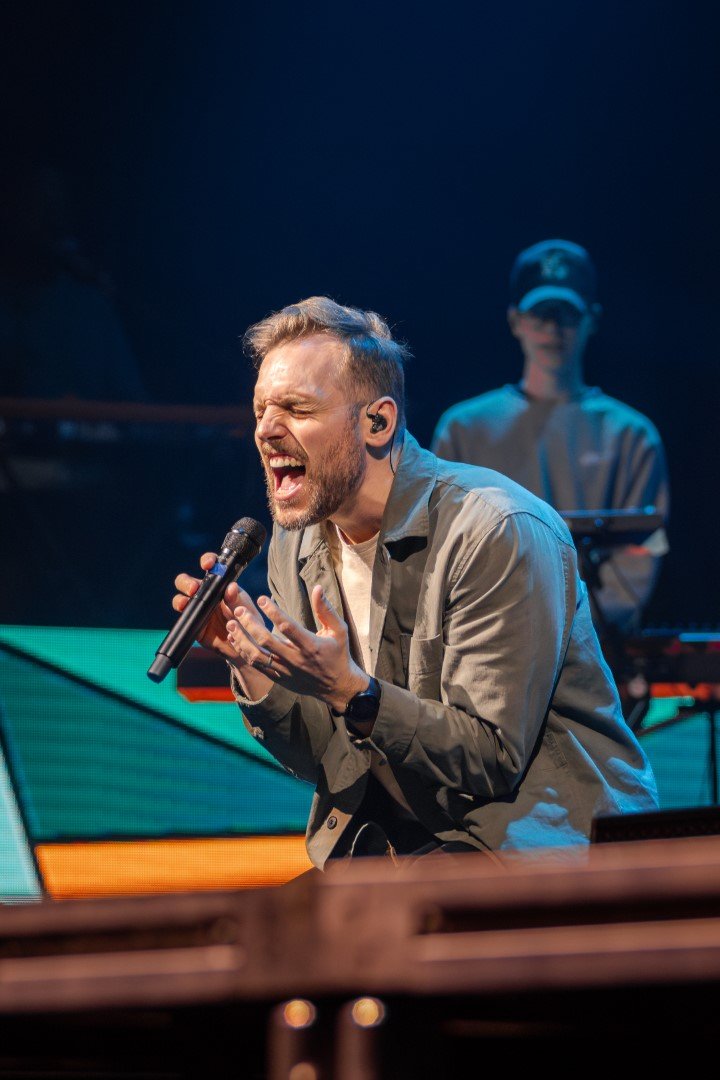
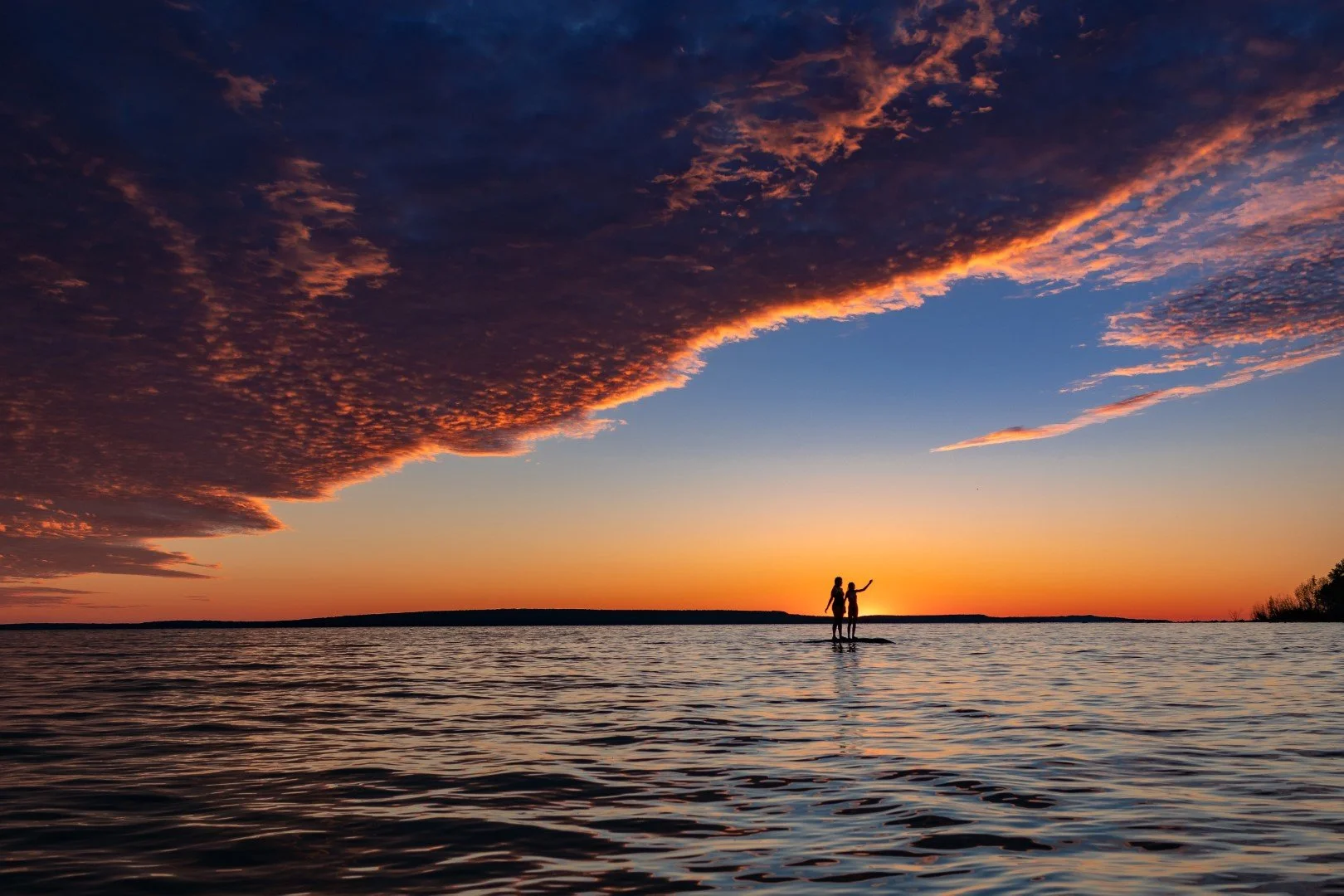
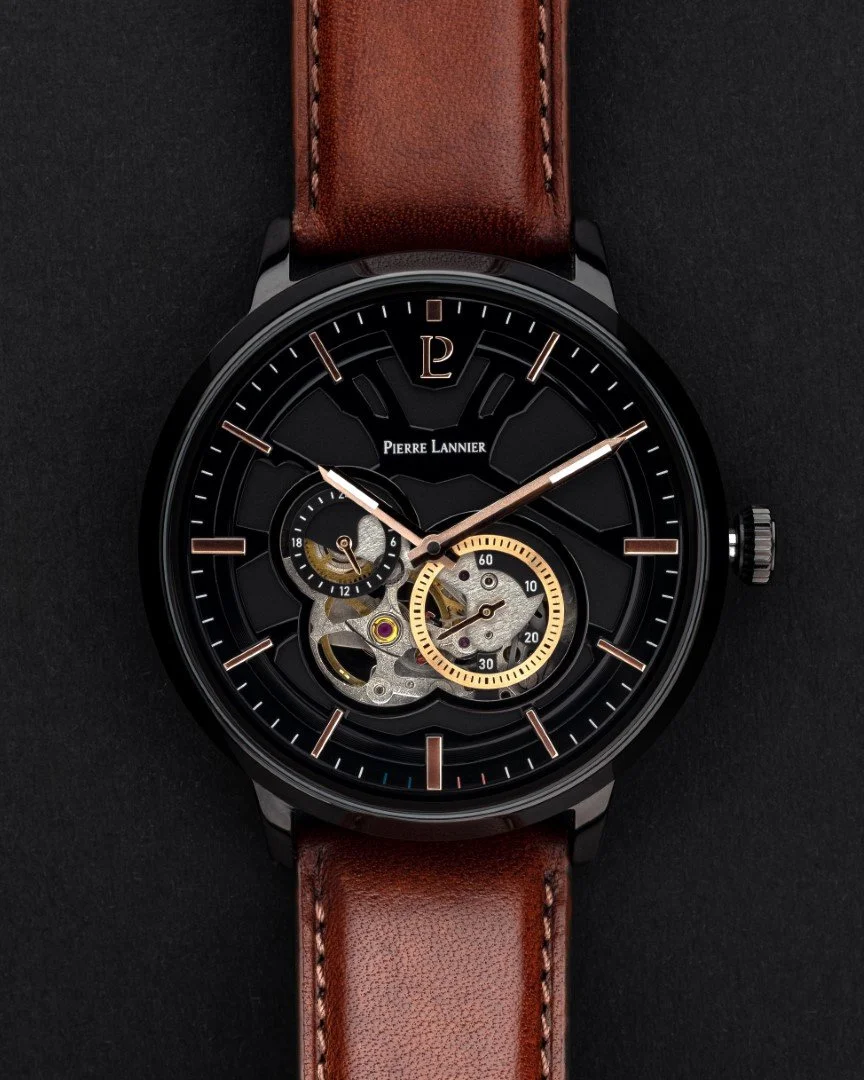
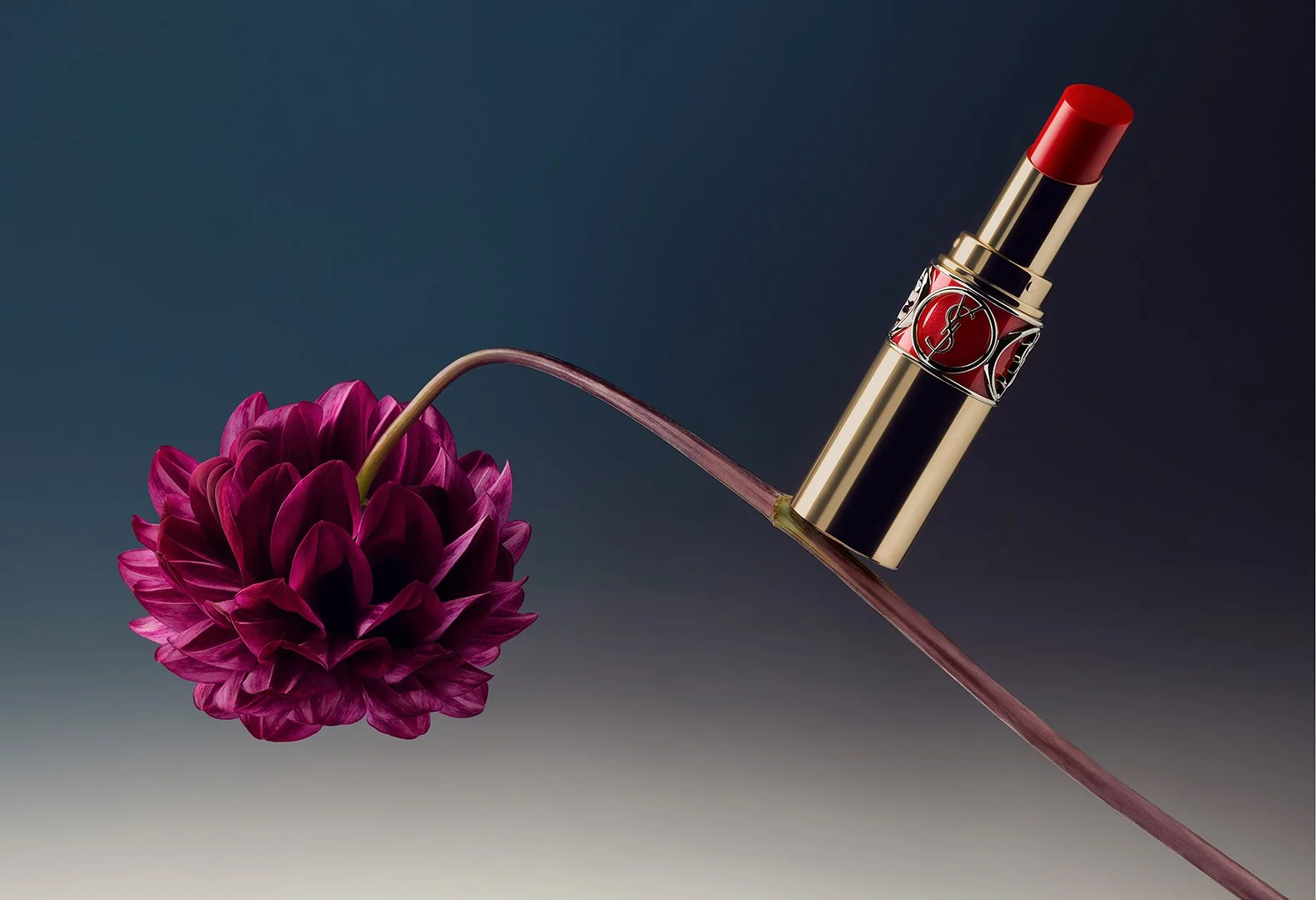
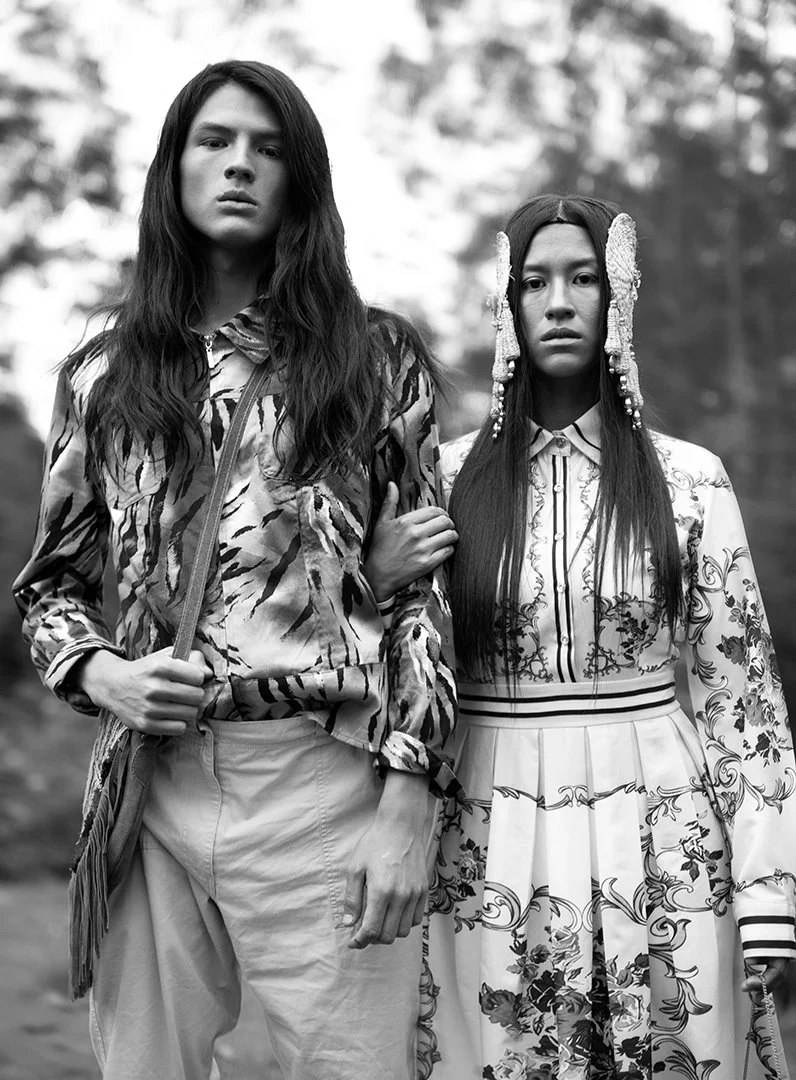
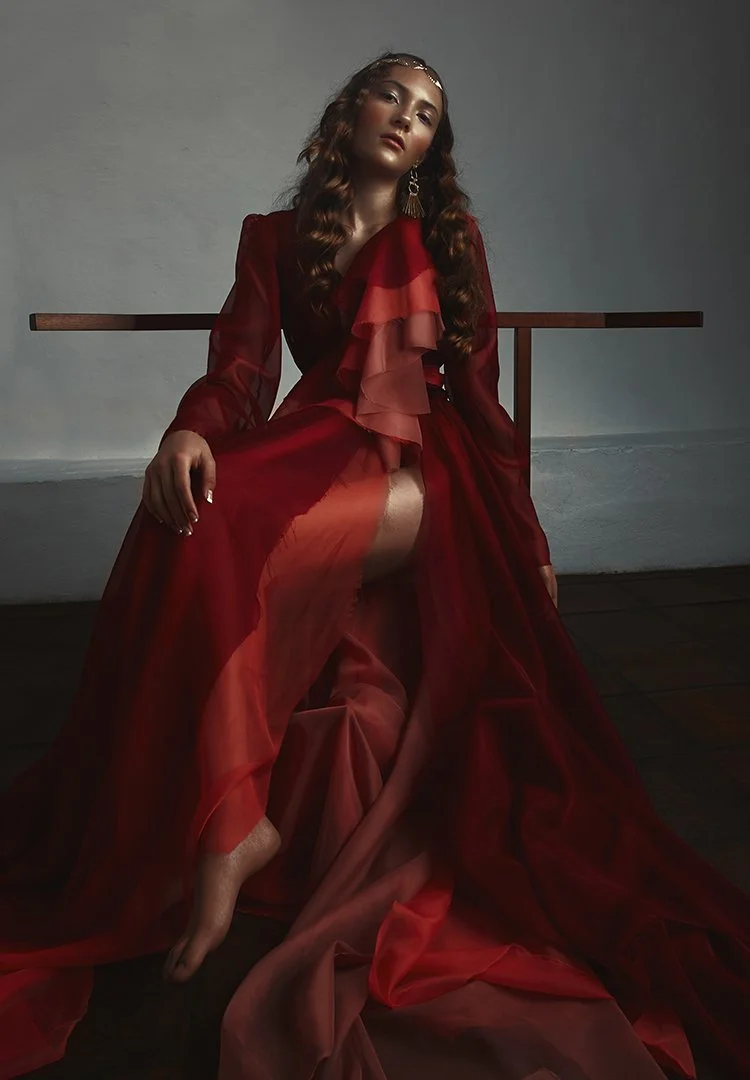
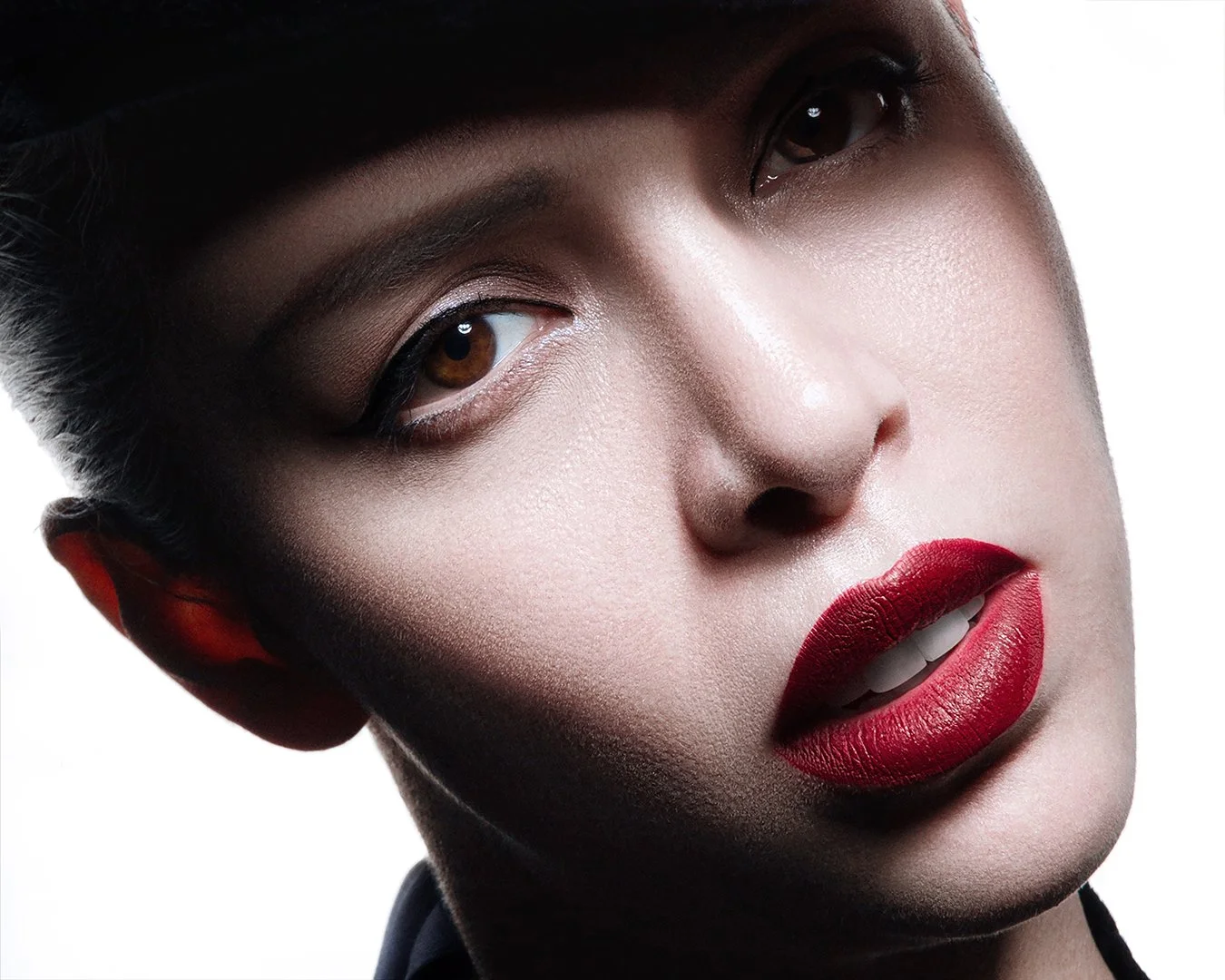
The digital portfolio is judged as a complete body of work, not as individual images. This part tests your ability to curate, sequence, and present your photography with intention.
New to 2026
Unlike in previous years, in 2026, digital portfolios MUST be submitted online at least seven days before the start of the competition. Please see the 2026 scope for full details and the submission link.
What we were looking for
Strong portfolios show restraint and cohesion. The images work together stylistically, editing feels consistent, and the selection reflects good judgment. We weren’t looking for everything you’ve ever shot — we were looking for thoughtful curation.
-
The competition scope is the official document you receive in advance and the primary basis for judging.
The Spec Assignments (Statements of Work / SOWs) are provided during the competition, not ahead of time. They do not replace the scope. Instead, they add real-world context — similar to how photographers work with clients in professional practice.
Judges assess work based on the scope, but use the SOWs to understand whether the images produced are not only technically strong, but also appropriate for the client, purpose, and constraints described in the brief. In photography as a skilled trade, strong work still needs to be right for the job.
The scope, SOWs, and images change every year.
The examples shown on this page are from 2024 only and are provided for context and preparation — not as templates. You will not receive the same assignments, images, or briefs in 2026.If your work is visually strong but does not meet the requirements of the brief, it will not score as well as work that successfully balances creative quality and professional execution.

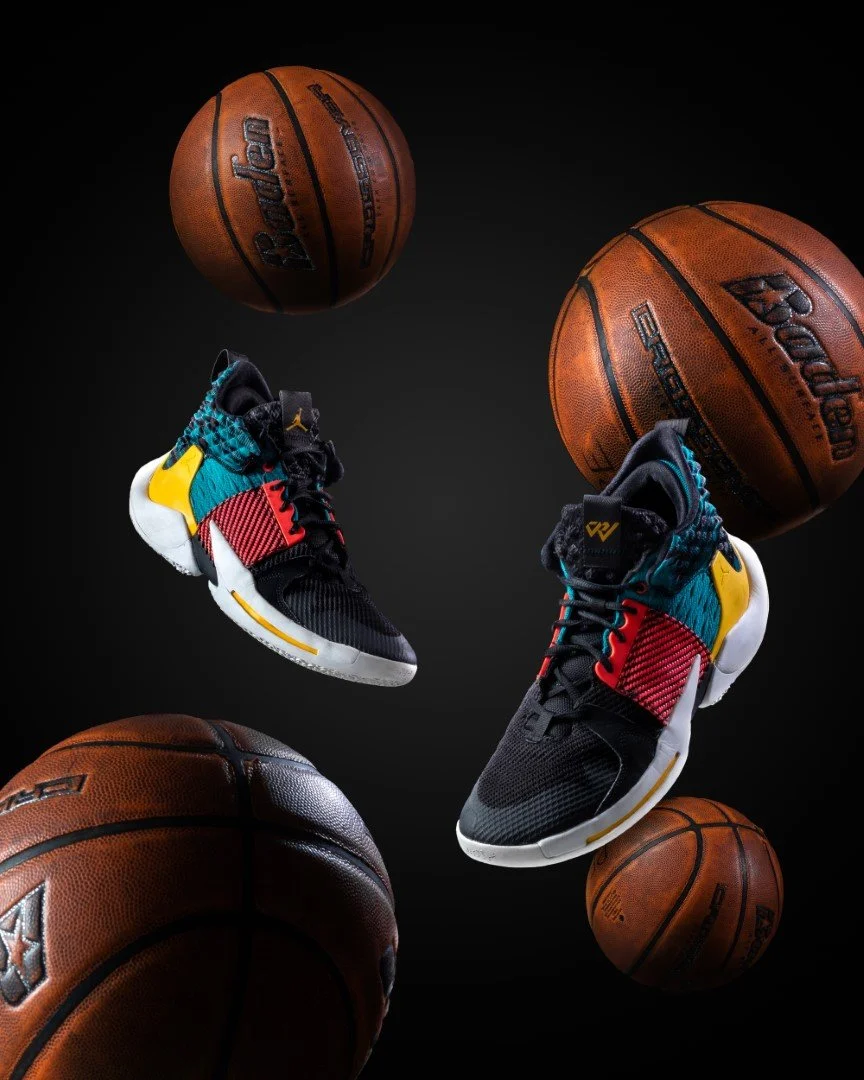


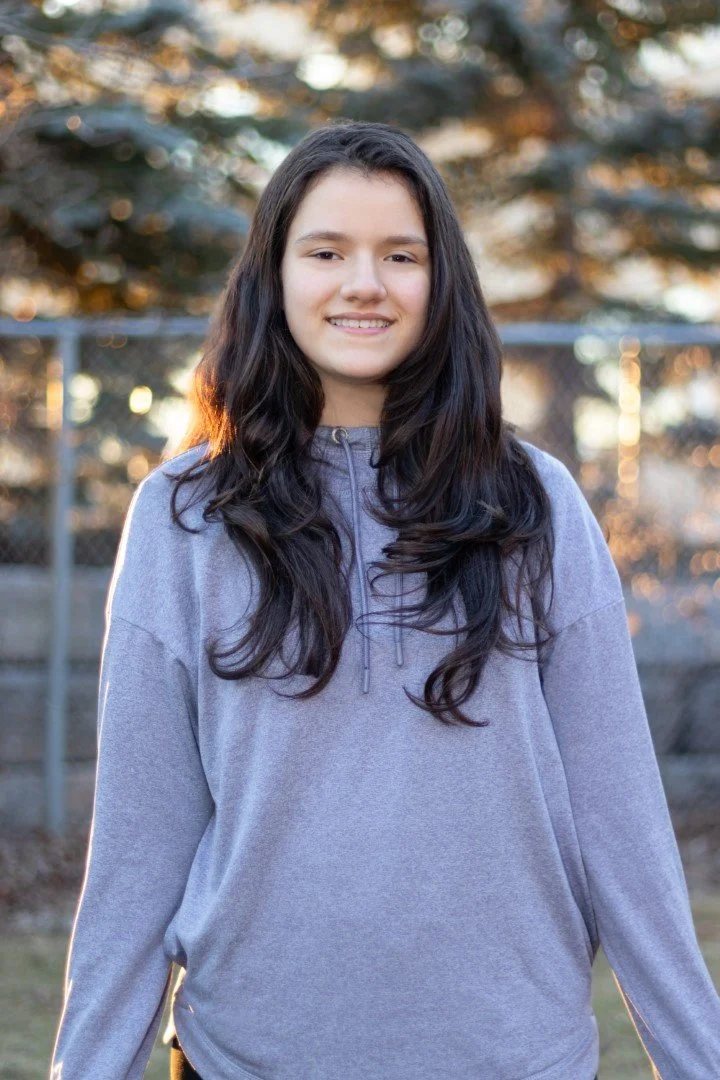







Secondary Example: Marius





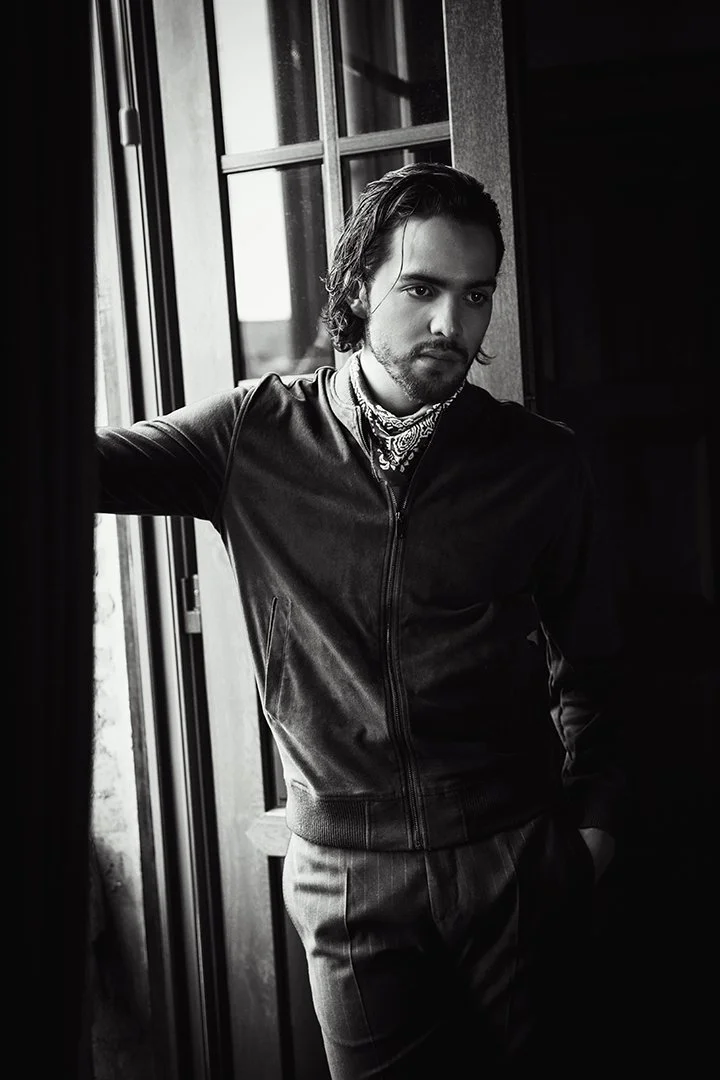


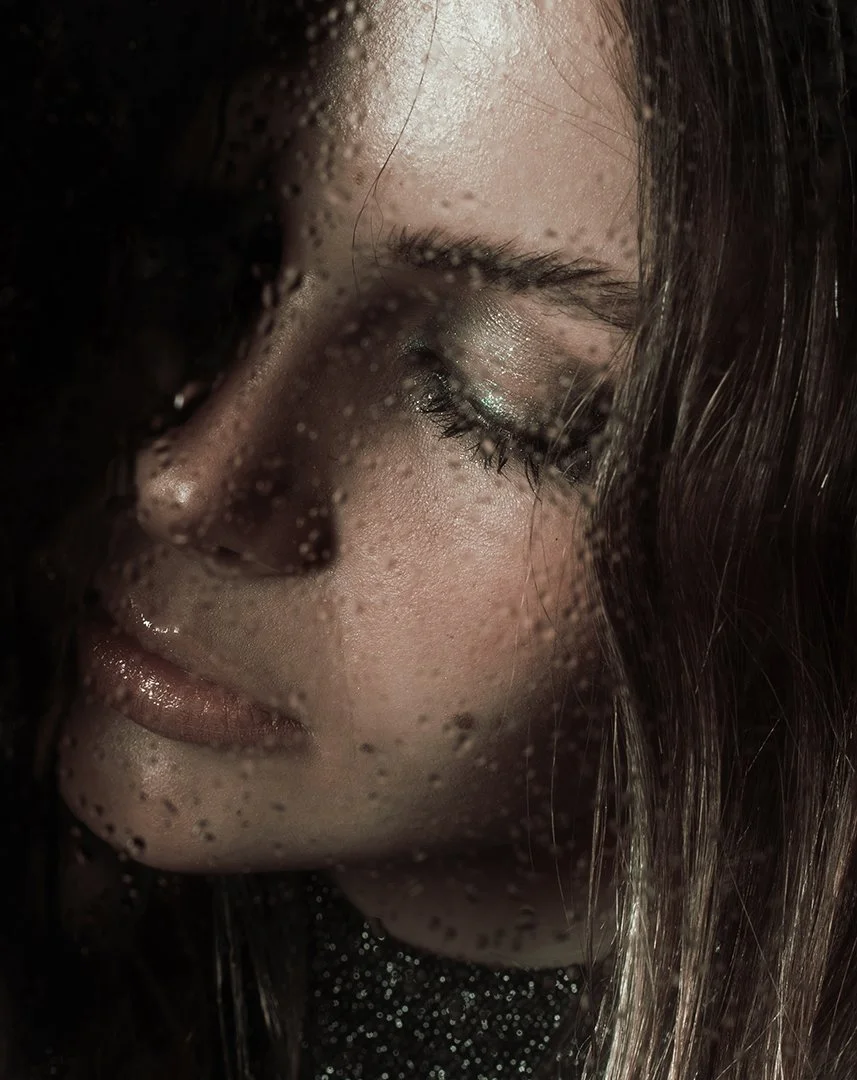

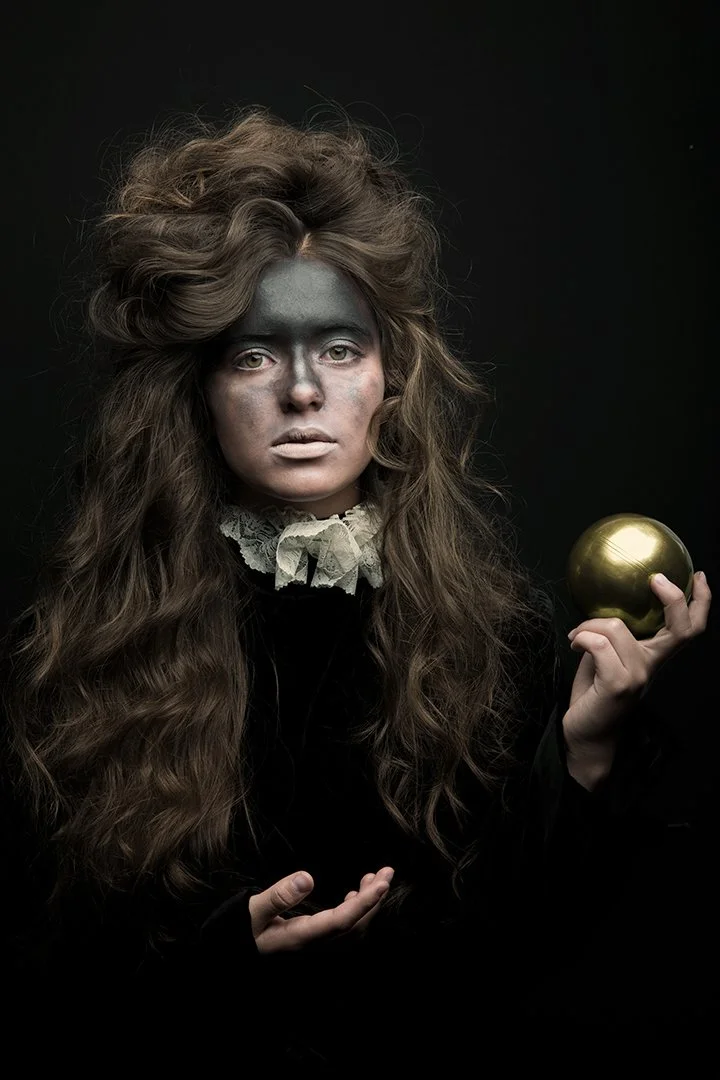
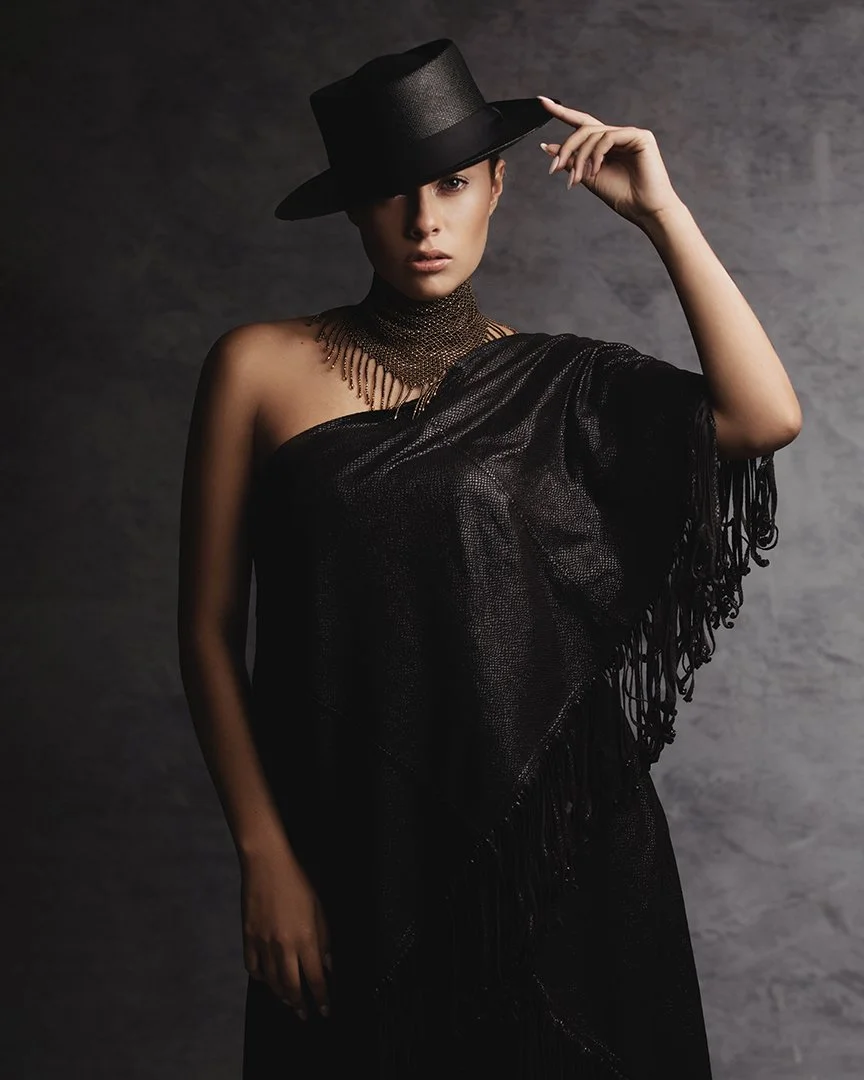

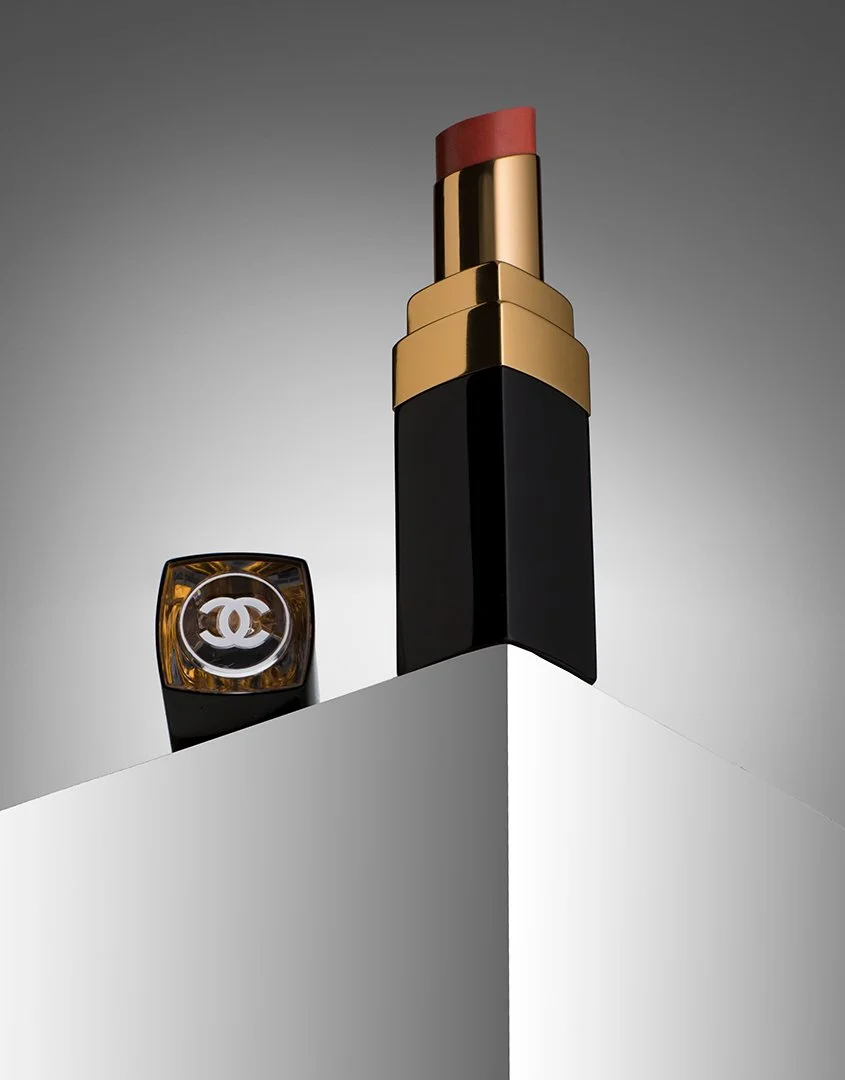
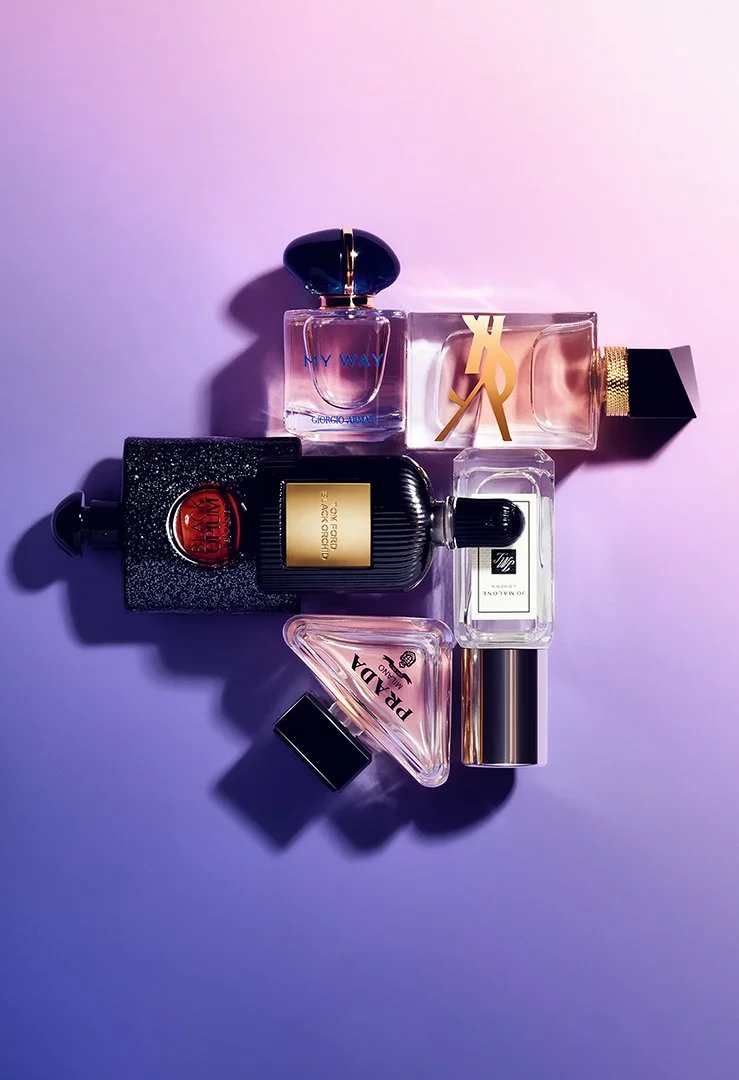

Post-Secondary Example: Delgado
Part 3: Post-Production Test
What this part of the challenge is about
This section focuses on editing and retouching skills. It’s designed to simulate real-world client work, where the goal is to improve an image while keeping it believable and professional.
The 2024 Spec
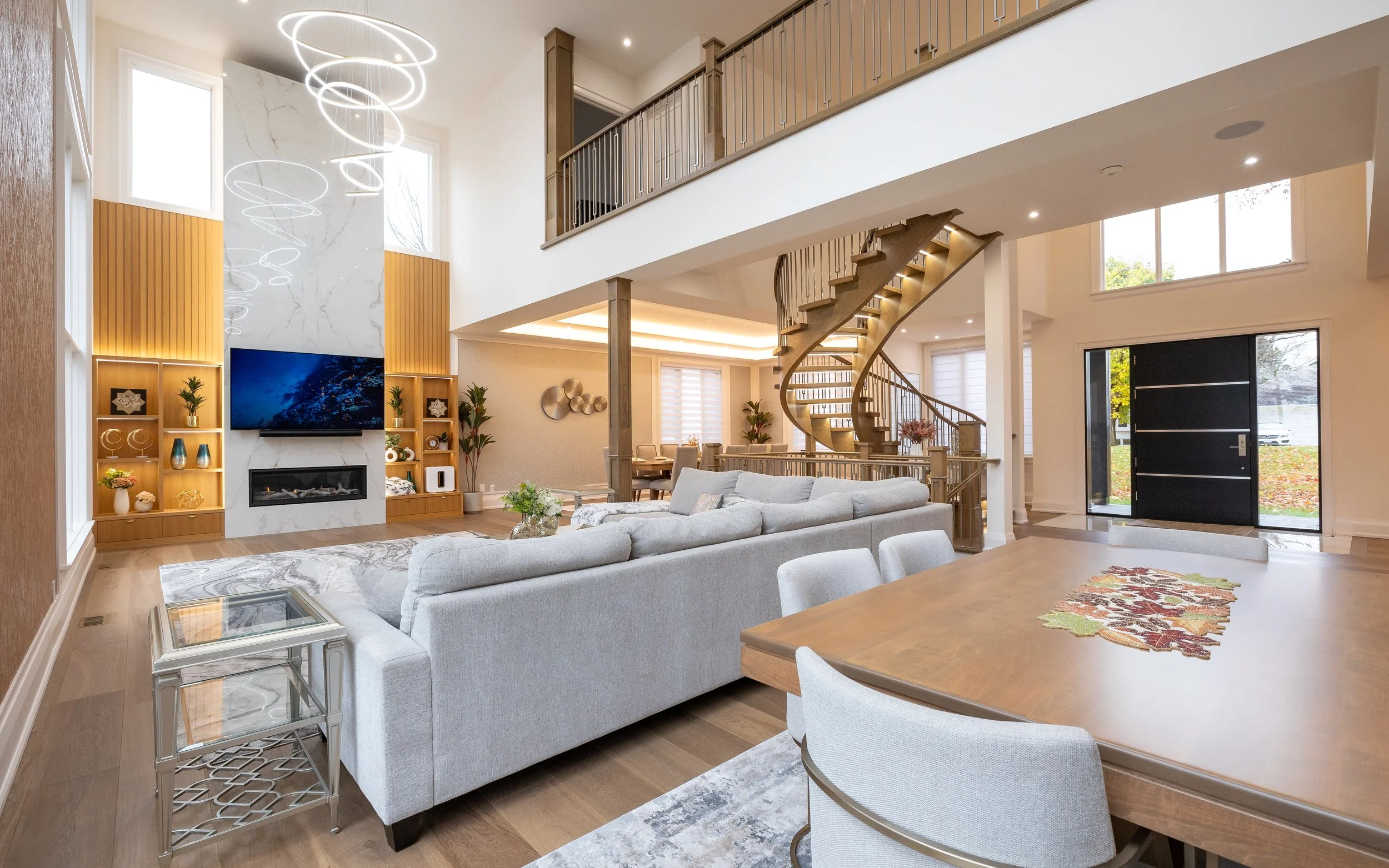
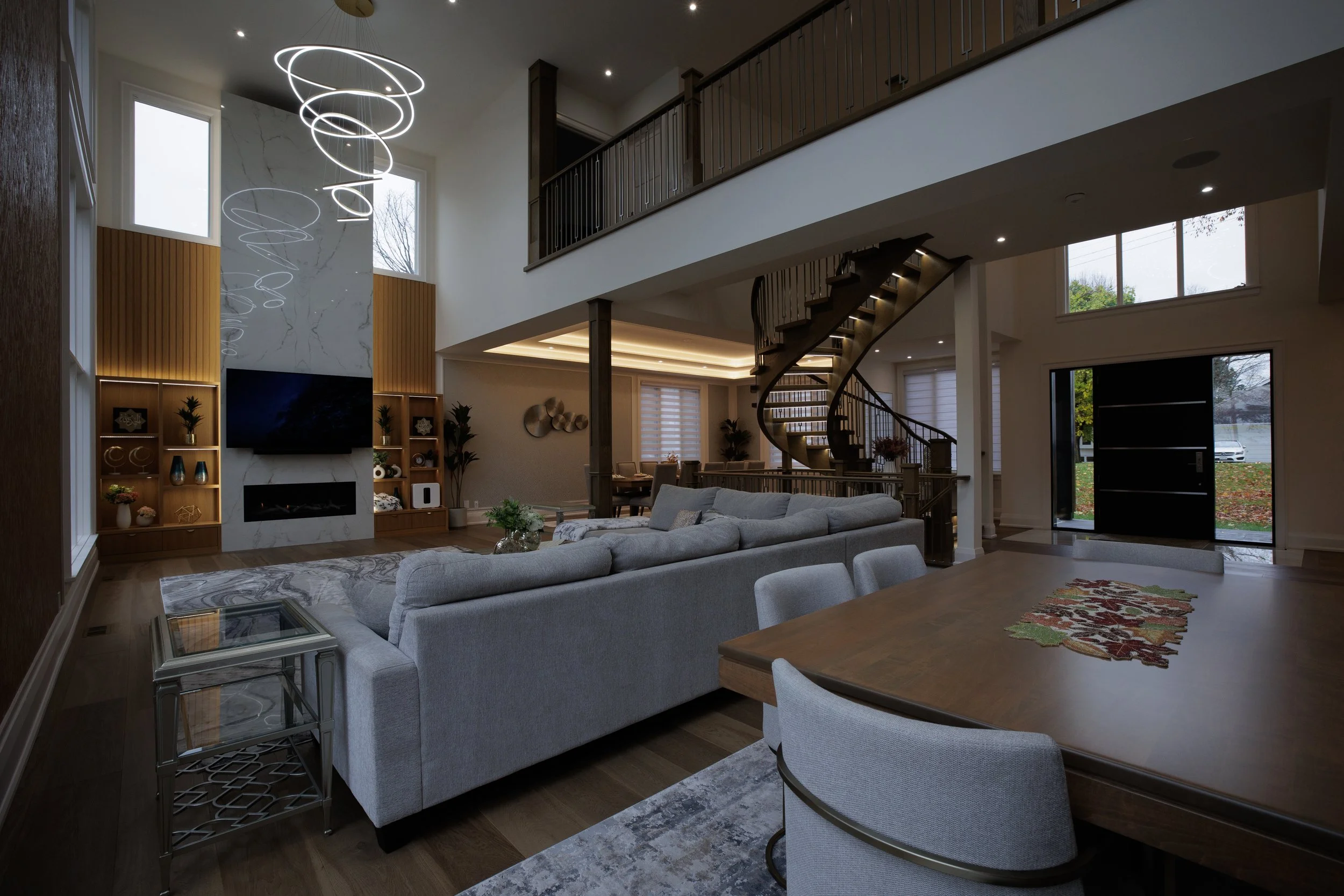
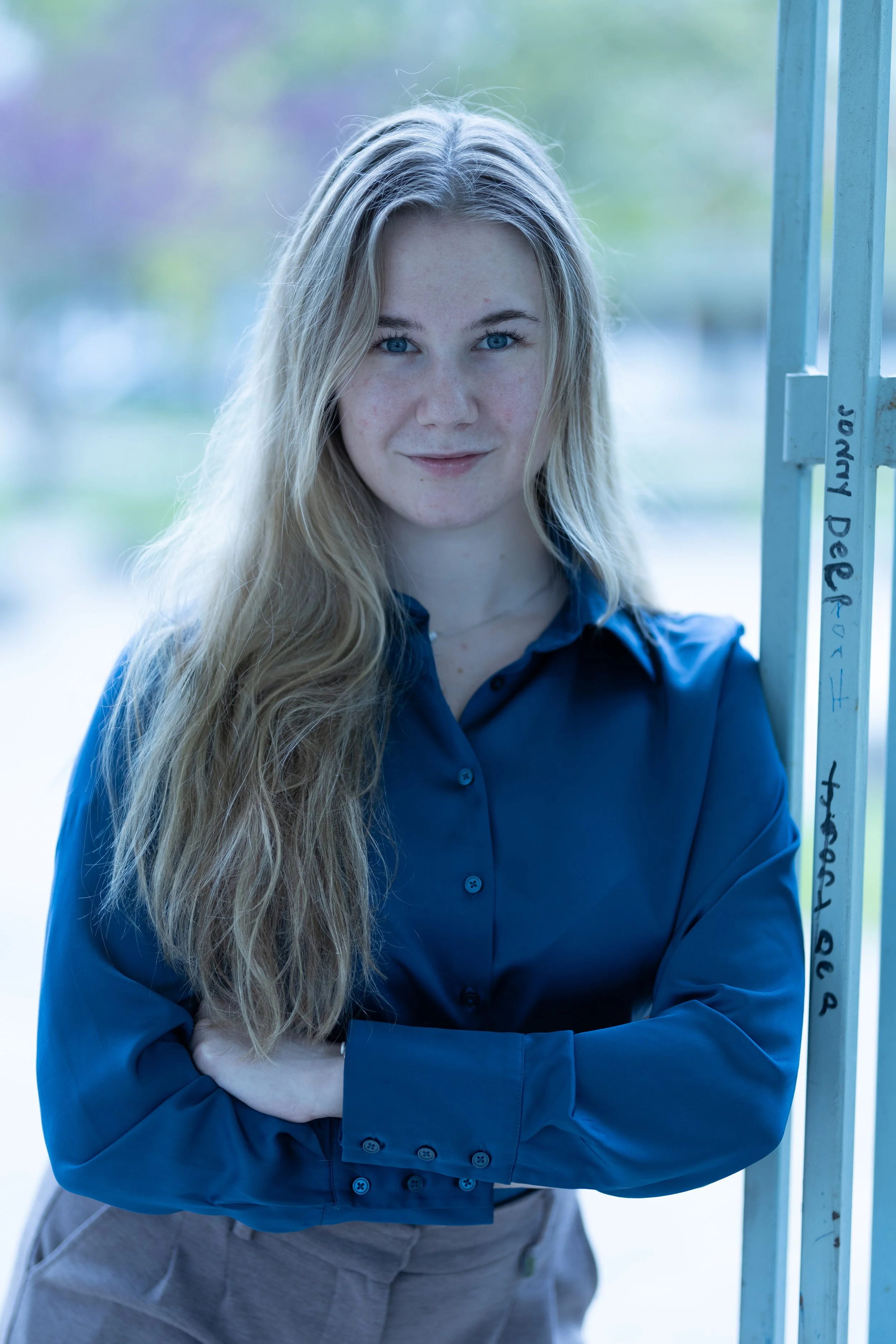
Competitors were given source images and asked to edit them for fictional clients. One assignment focused on a portrait retouch for a tech CEO, and another focused on editing an interior photograph for editorial use. Each brief included specific client notes and constraints.
You can view the full 2024 Scope and Spec Scope of Work documents here:
Secondary SOW, Secondary Scope (2024)
Post-Secondary SOW, Post-Secondary Scope (2024)
What we were looking for
The strongest edits were subtle and controlled. Skin retouching looked natural, interiors felt clean and realistic, and nothing felt over-processed. Judges paid close attention to whether competitors followed the client notes and delivered what was actually asked for, not just what looked dramatic.
-
The competition scope is the official document you receive in advance and the primary basis for judging.
The Spec Assignments (Statements of Work / SOWs) are provided during the competition, not ahead of time. They do not replace the scope. Instead, they add real-world context — similar to how photographers work with clients in professional practice.
Judges assess work based on the scope, but use the SOWs to understand whether the images produced are not only technically strong, but also appropriate for the client, purpose, and constraints described in the brief. In photography as a skilled trade, strong work still needs to be right for the job.
The scope, SOWs, and images change every year.
The examples shown on this page are from 2024 only and are provided for context and preparation — not as templates. You will not receive the same assignments, images, or briefs in 2026.If your work is visually strong but does not meet the requirements of the brief, it will not score as well as work that successfully balances creative quality and professional execution.

Secondary Example: Marius


Post-Secondary Example: Brooke
Part 4: Event Photography Assignment
What this part of the challenge is about
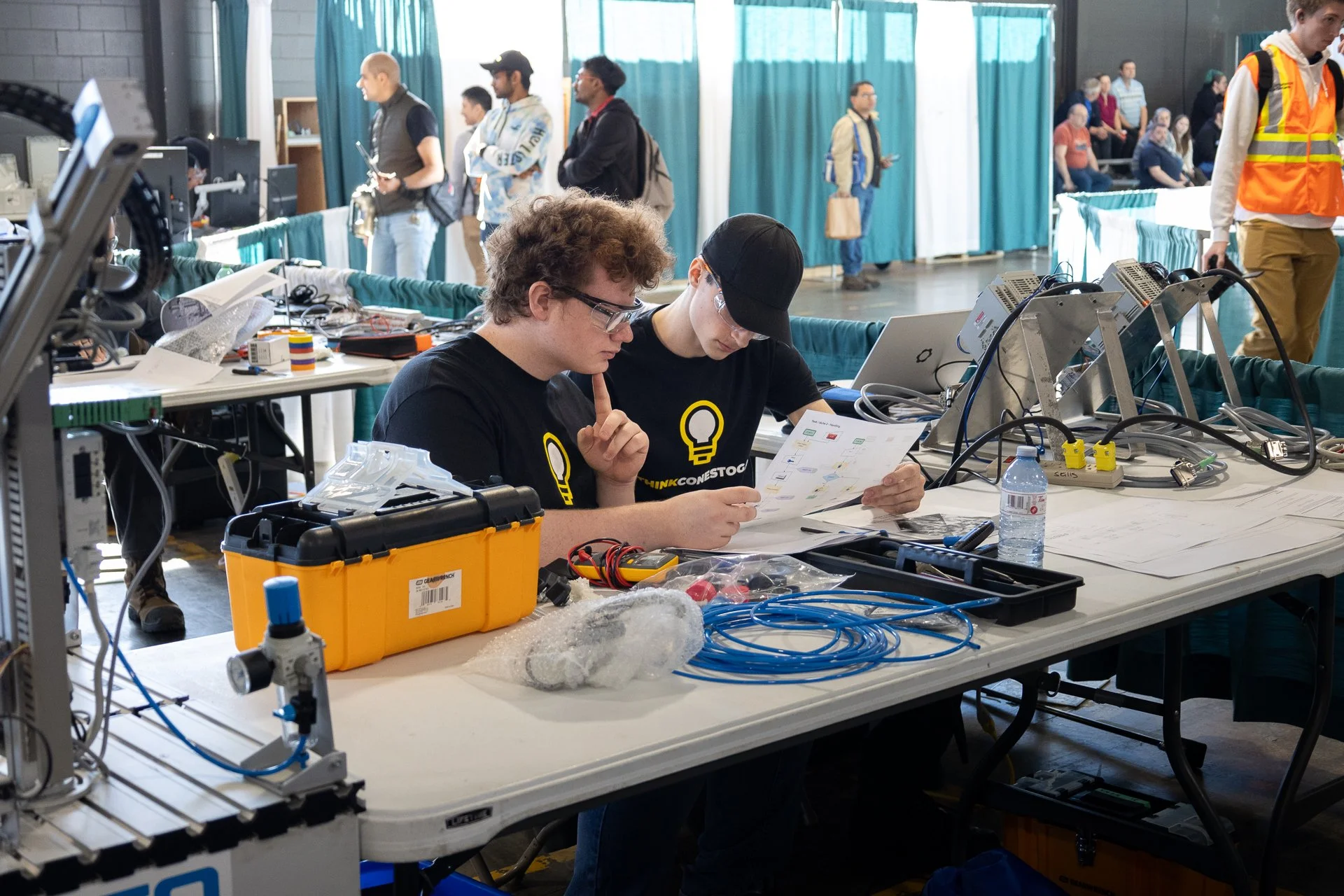
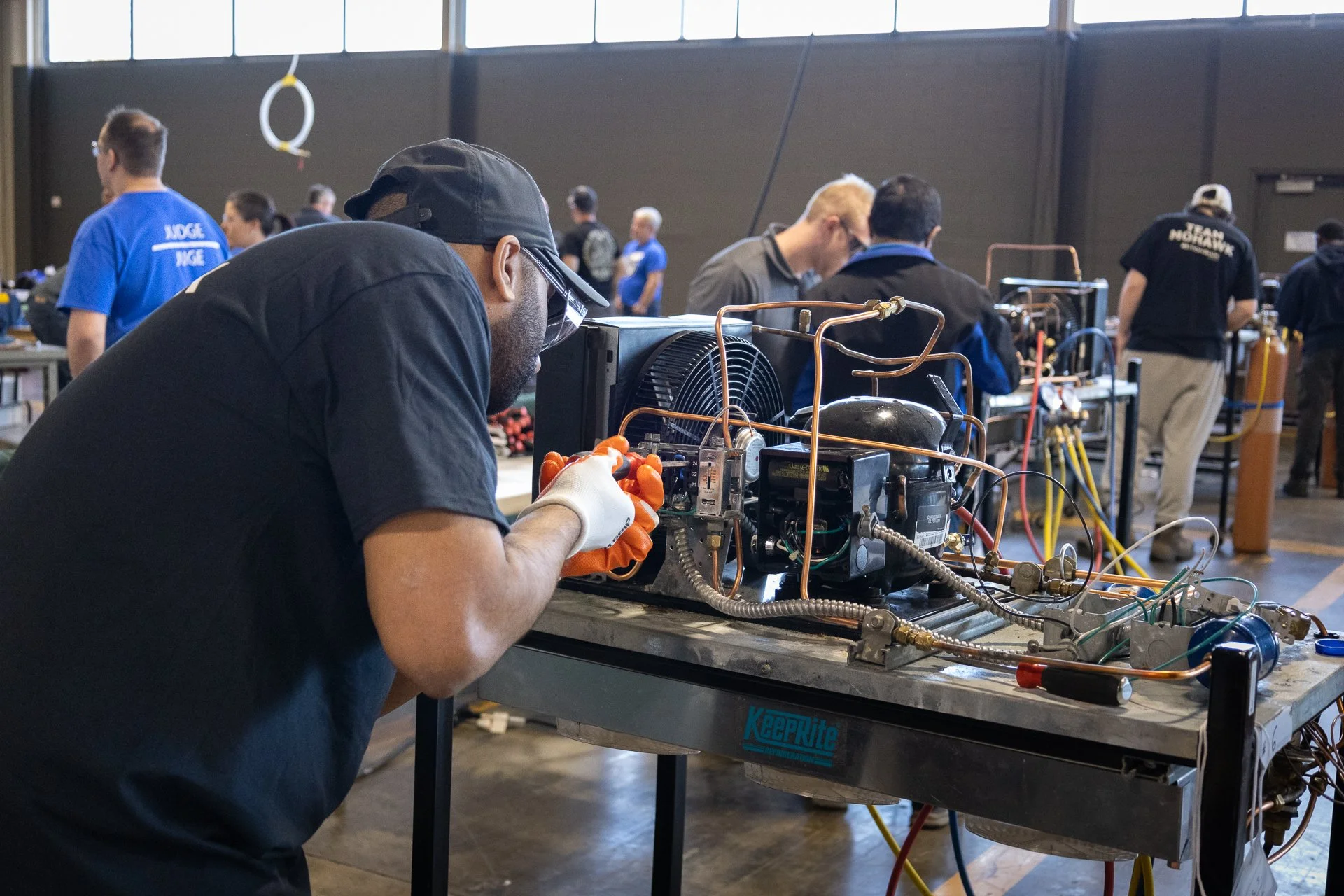
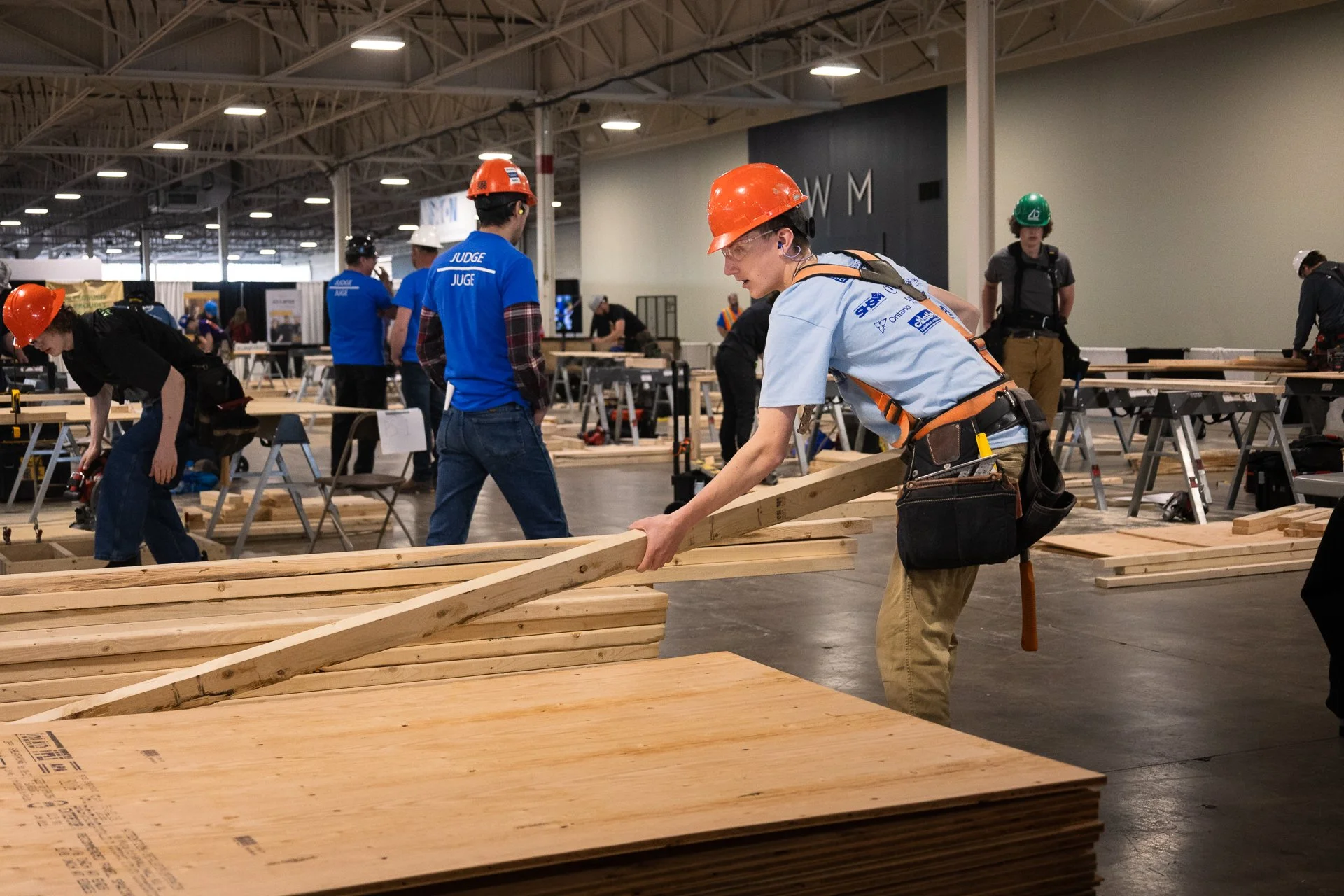
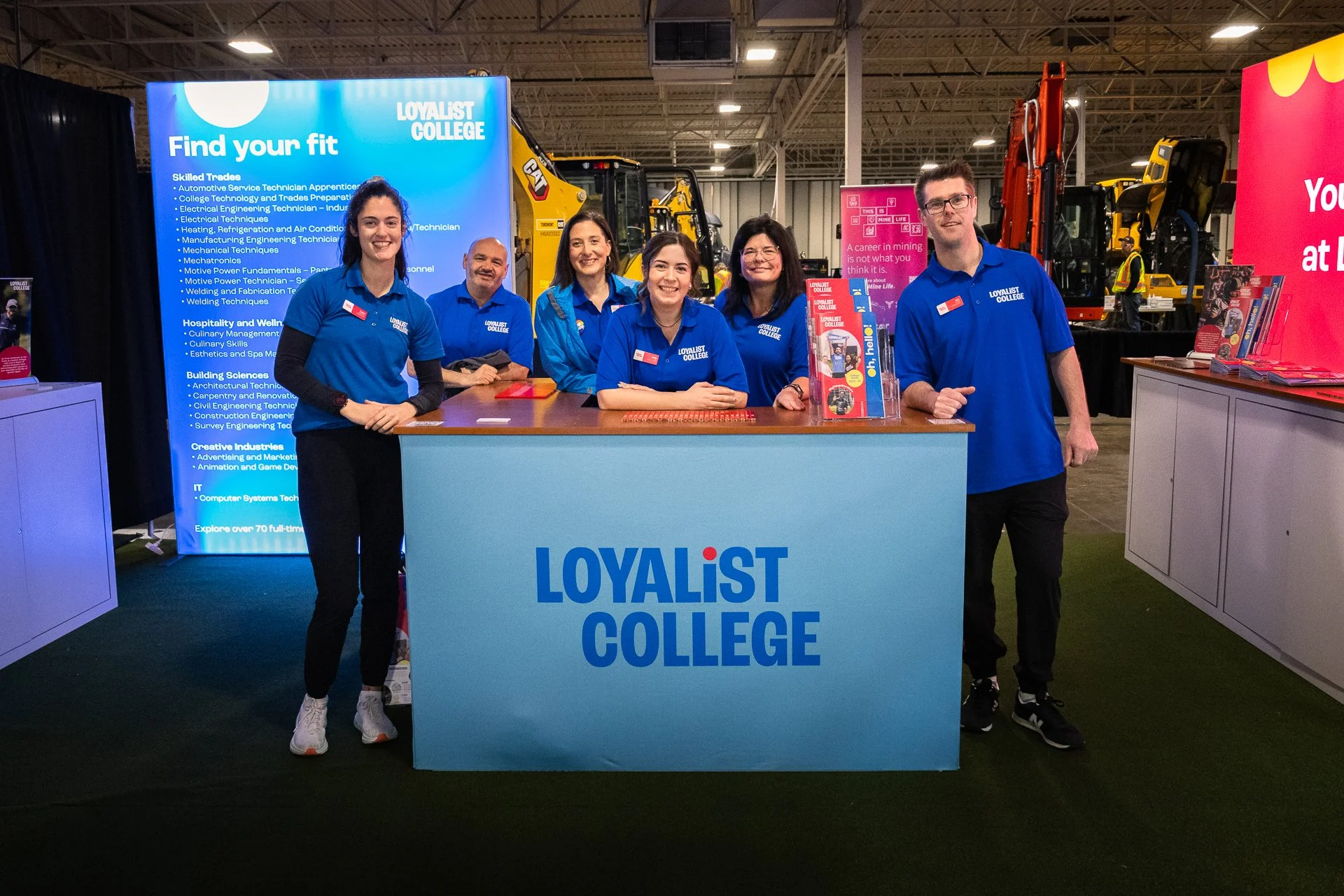
This assignment simulates real-world event coverage. Competitors must work efficiently, adapt quickly, and tell a clear visual story under time pressure.
The 2024 Spec
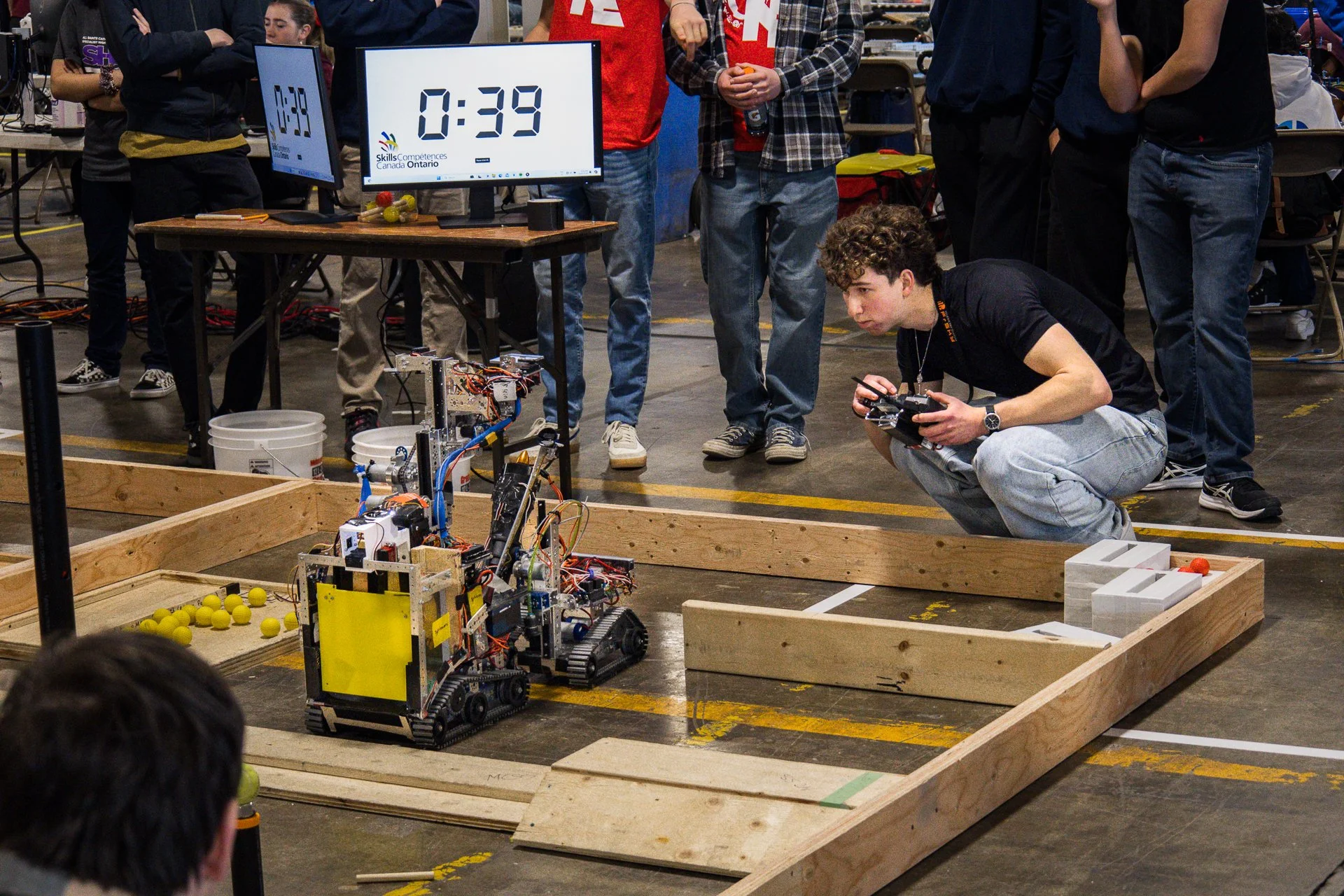
In 2024, competitors photographed the Skills Ontario Competition itself. The brief emphasized energy, scale, and variety, with a limited number of final images that all needed to be strong and usable for promotion.
You can view the full 2024 Scope and Spec Scope of Work documents here:
Secondary SOW, Secondary Scope (2024)
Post-Secondary SOW, Post-Secondary Scope (2024)
What we were looking for
Strong event submissions showed storytelling, consistency, and awareness. Images felt intentional, moments were anticipated, and the final selection worked as a cohesive set rather than isolated highlights.
-
The competition scope is the official document you receive in advance and the primary basis for judging.
The Spec Assignments (Statements of Work / SOWs) are provided during the competition, not ahead of time. They do not replace the scope. Instead, they add real-world context — similar to how photographers work with clients in professional practice.
Judges assess work based on the scope, but use the SOWs to understand whether the images produced are not only technically strong, but also appropriate for the client, purpose, and constraints described in the brief. In photography as a skilled trade, strong work still needs to be right for the job.
The scope, SOWs, and images change every year.
The examples shown on this page are from 2024 only and are provided for context and preparation — not as templates. You will not receive the same assignments, images, or briefs in 2026.If your work is visually strong but does not meet the requirements of the brief, it will not score as well as work that successfully balances creative quality and professional execution.


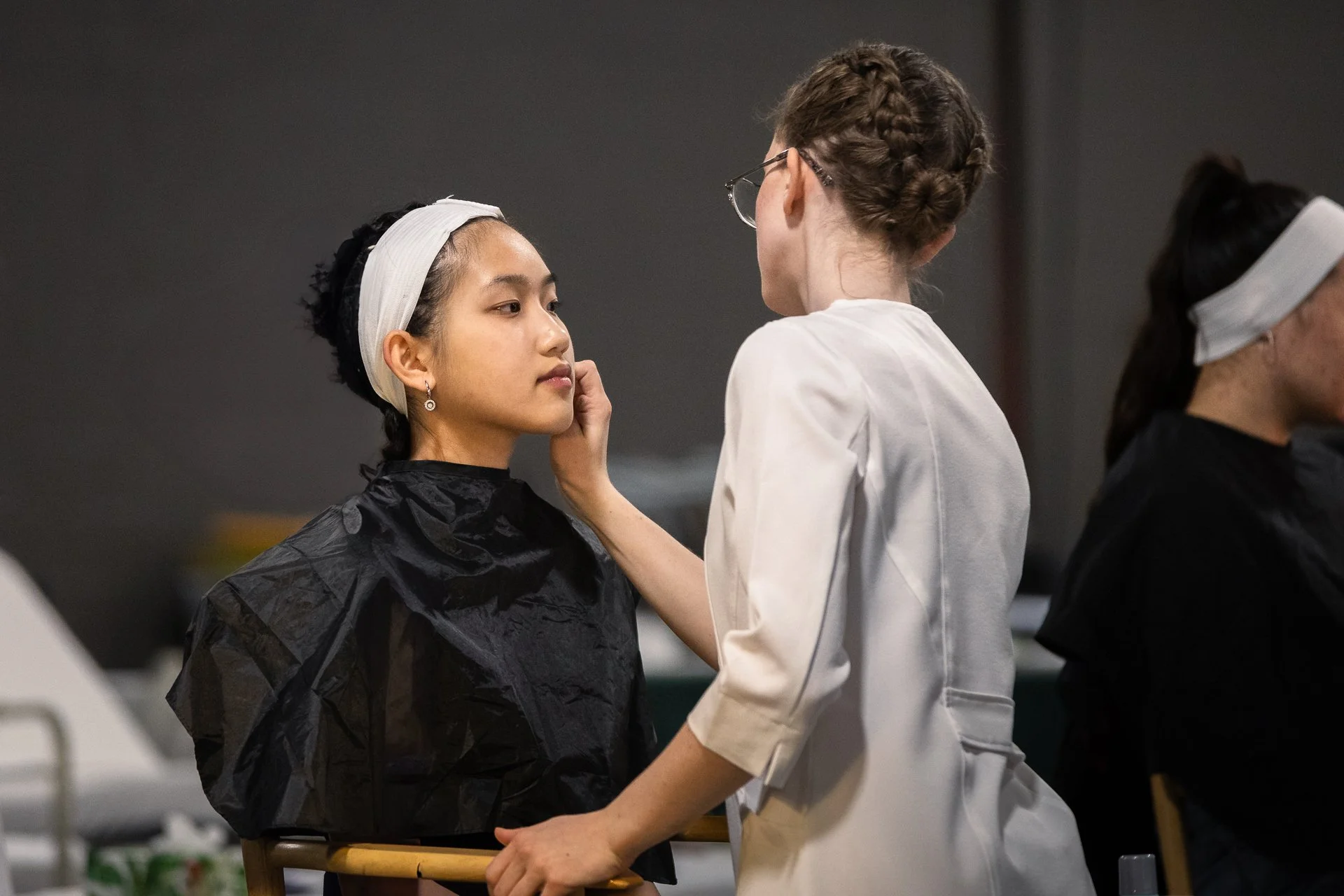
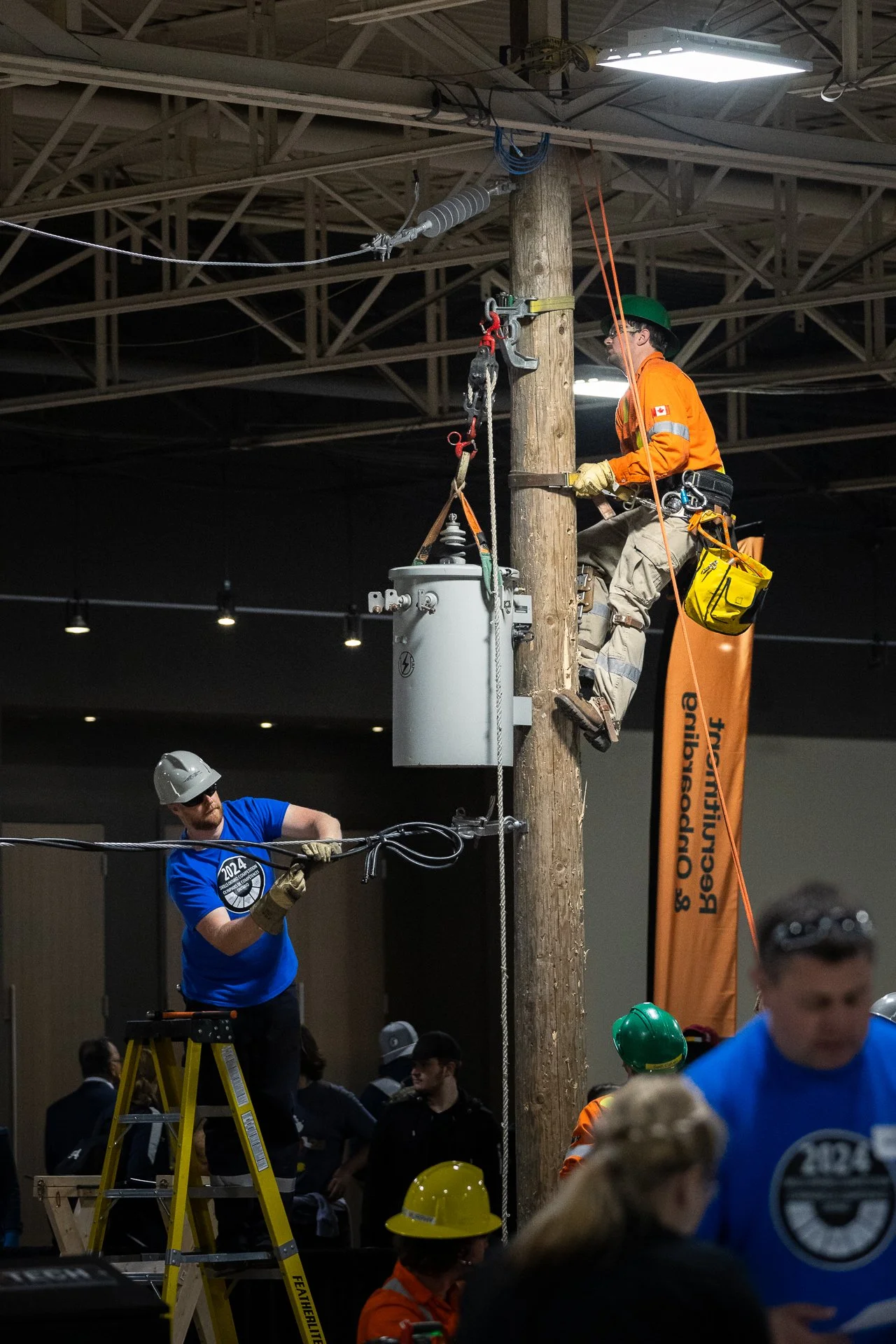

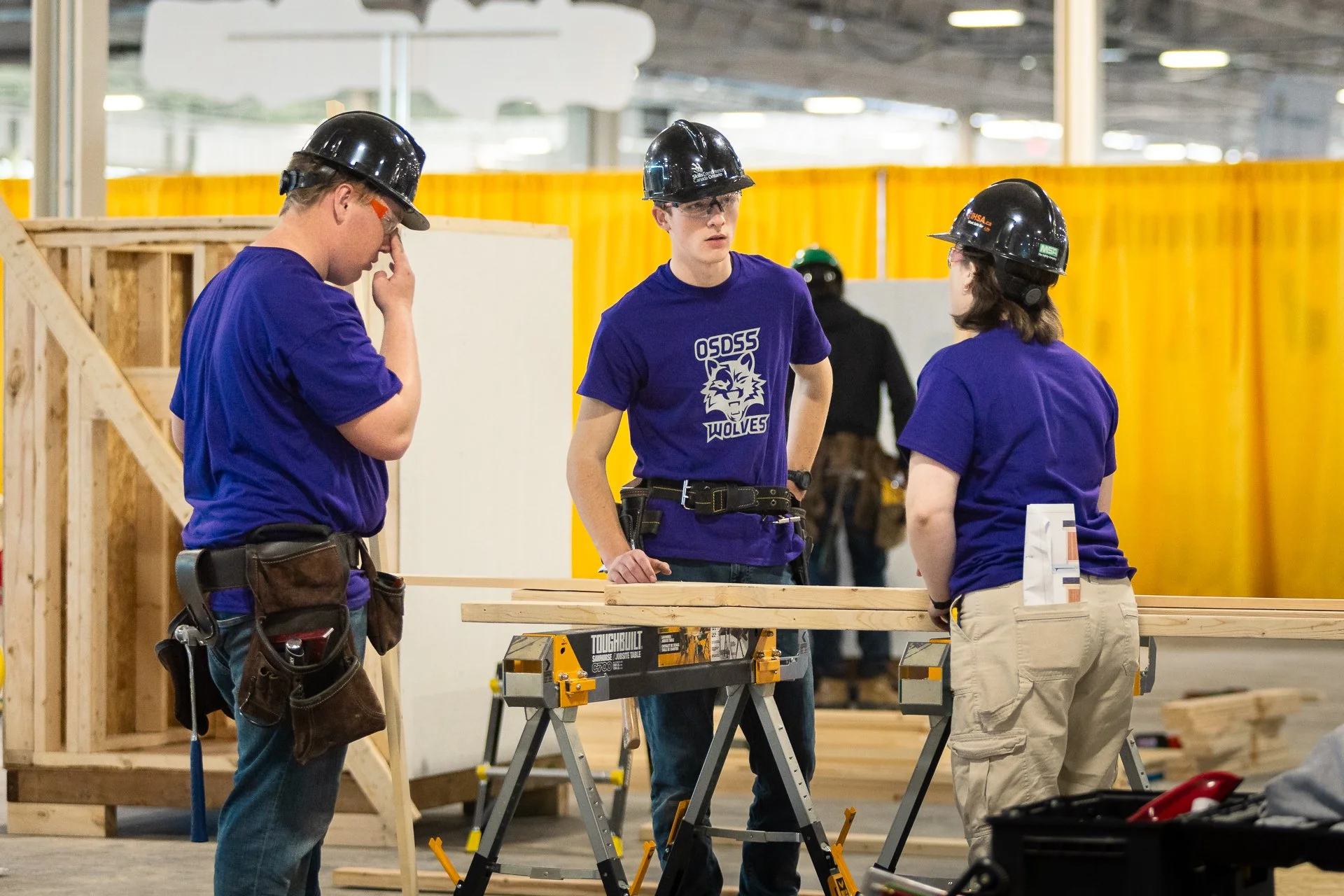
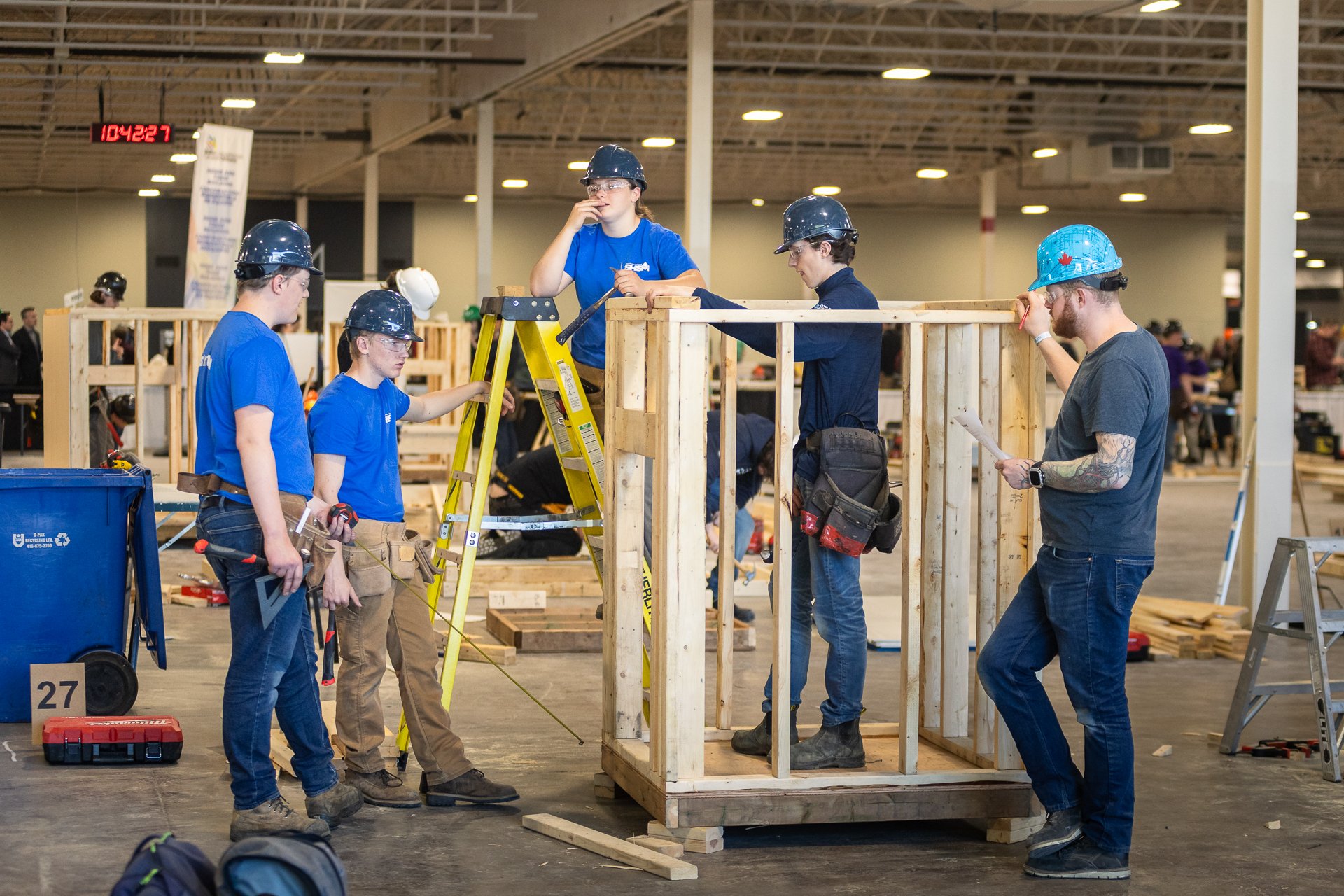
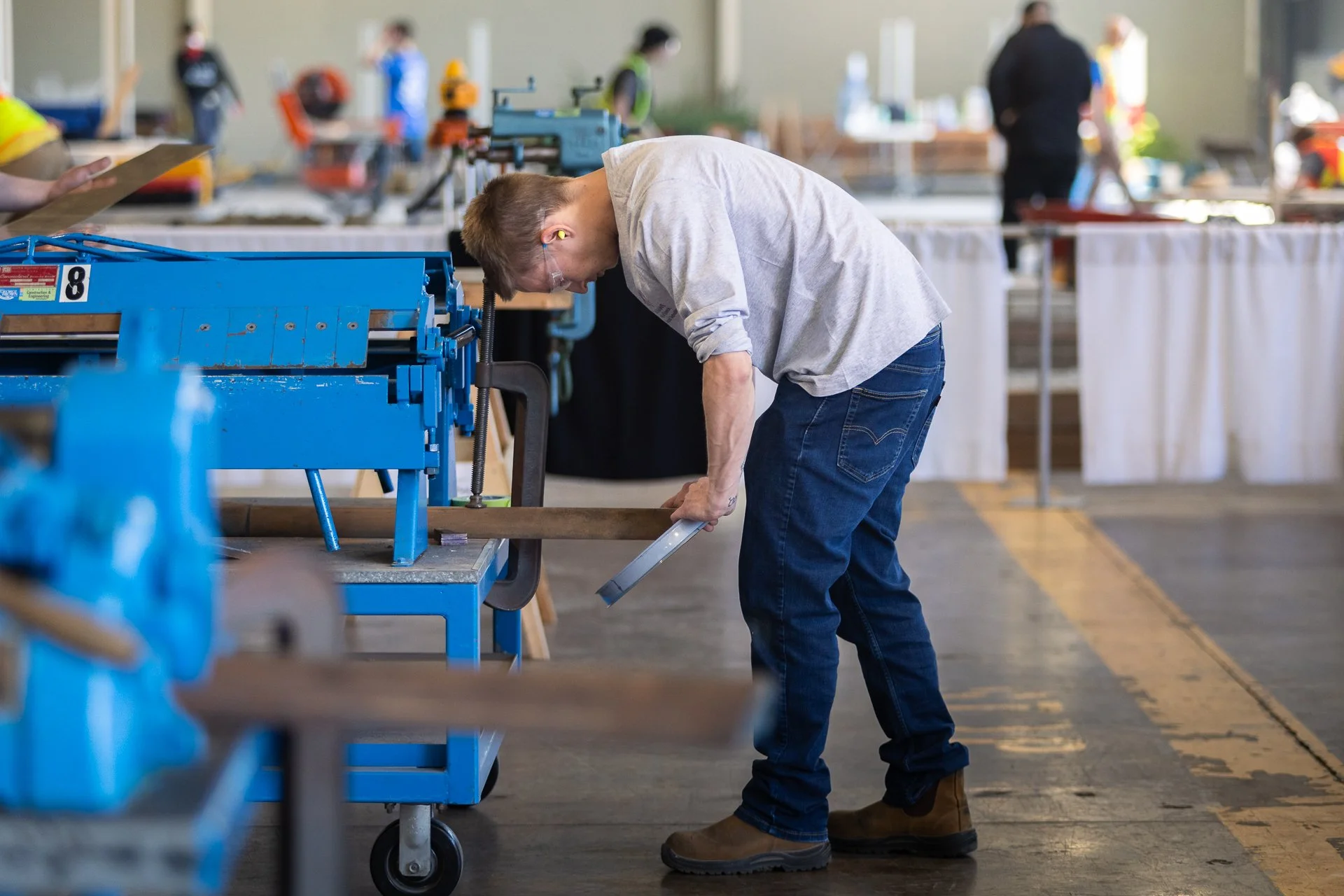
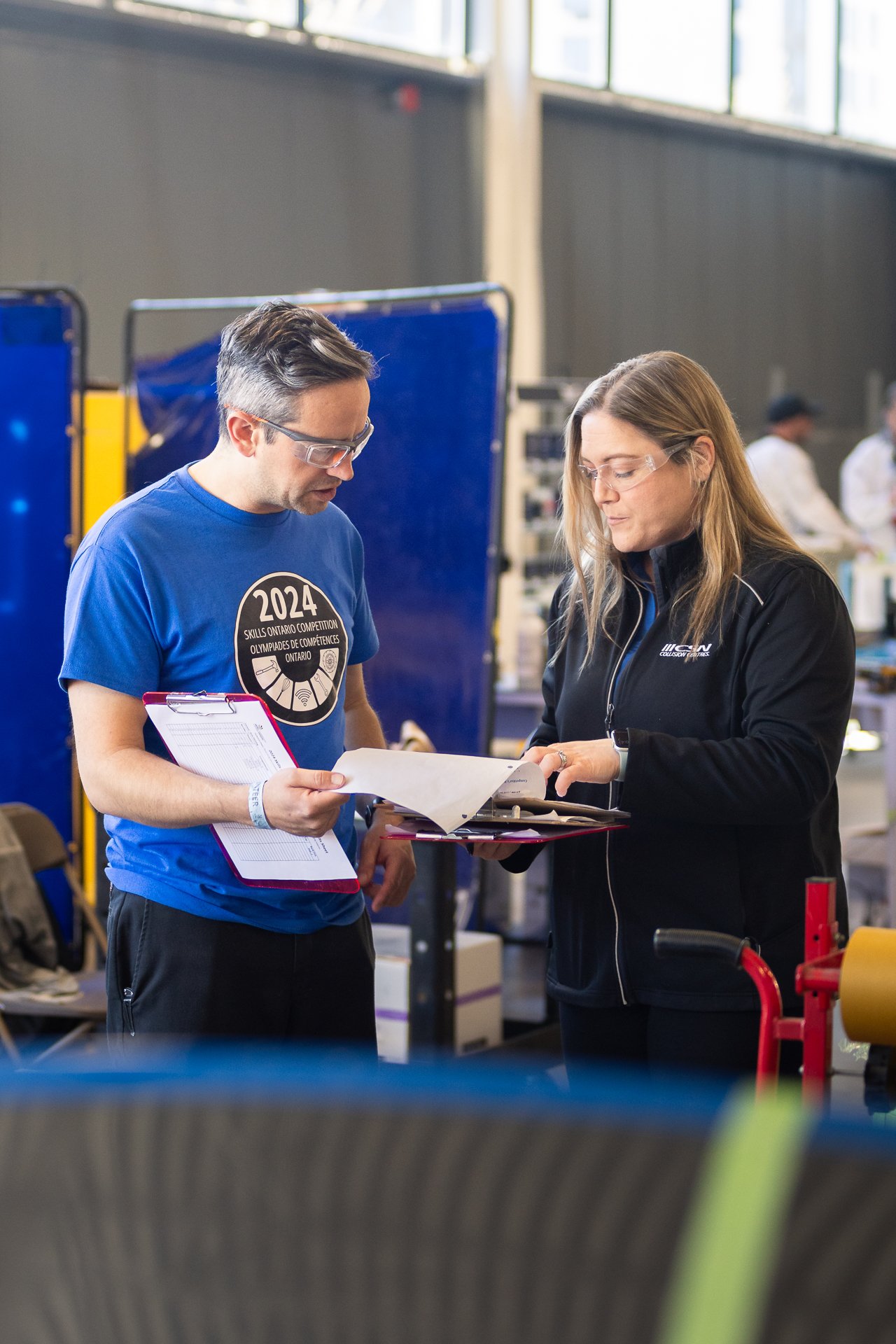

Secondary Example: Marius
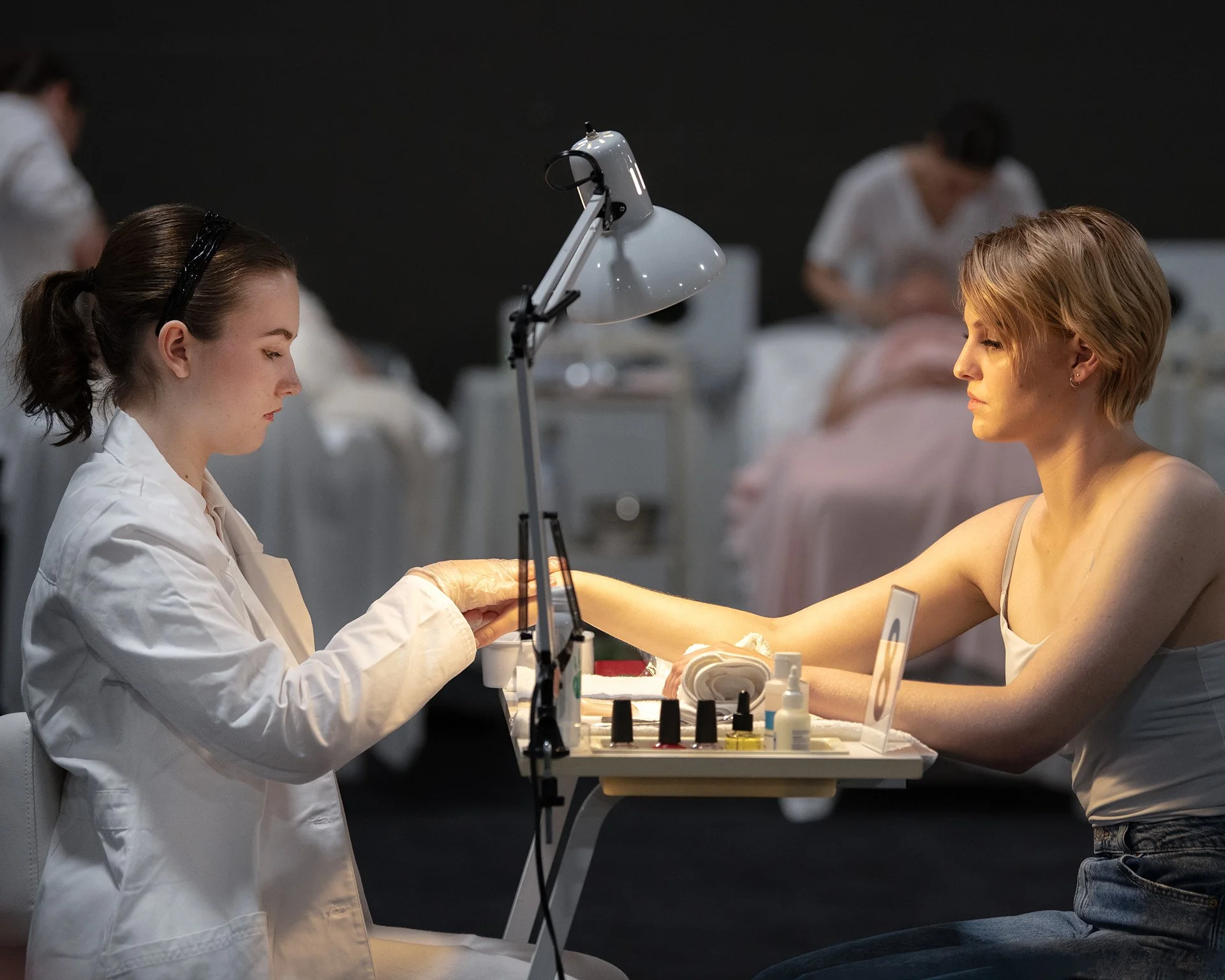
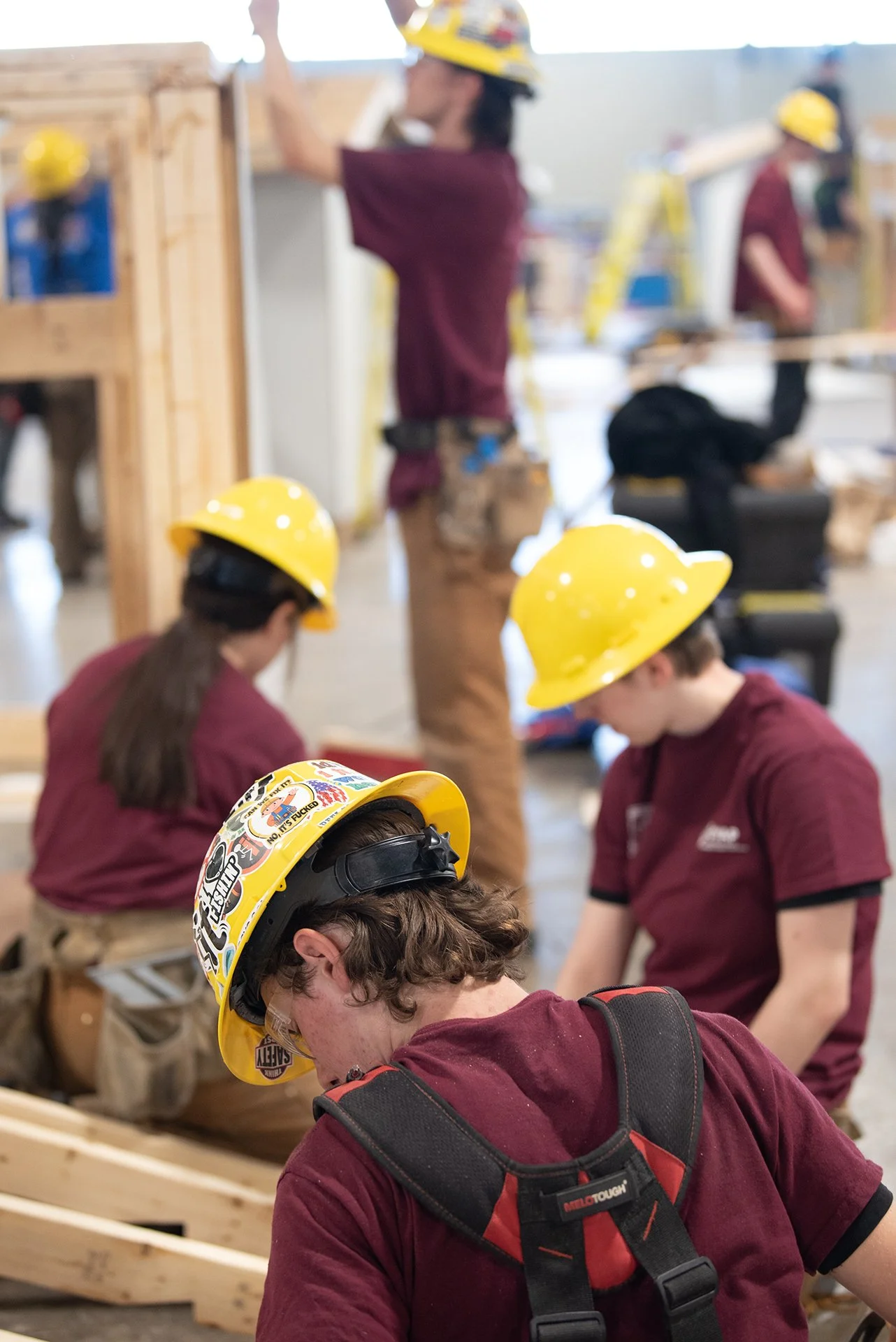
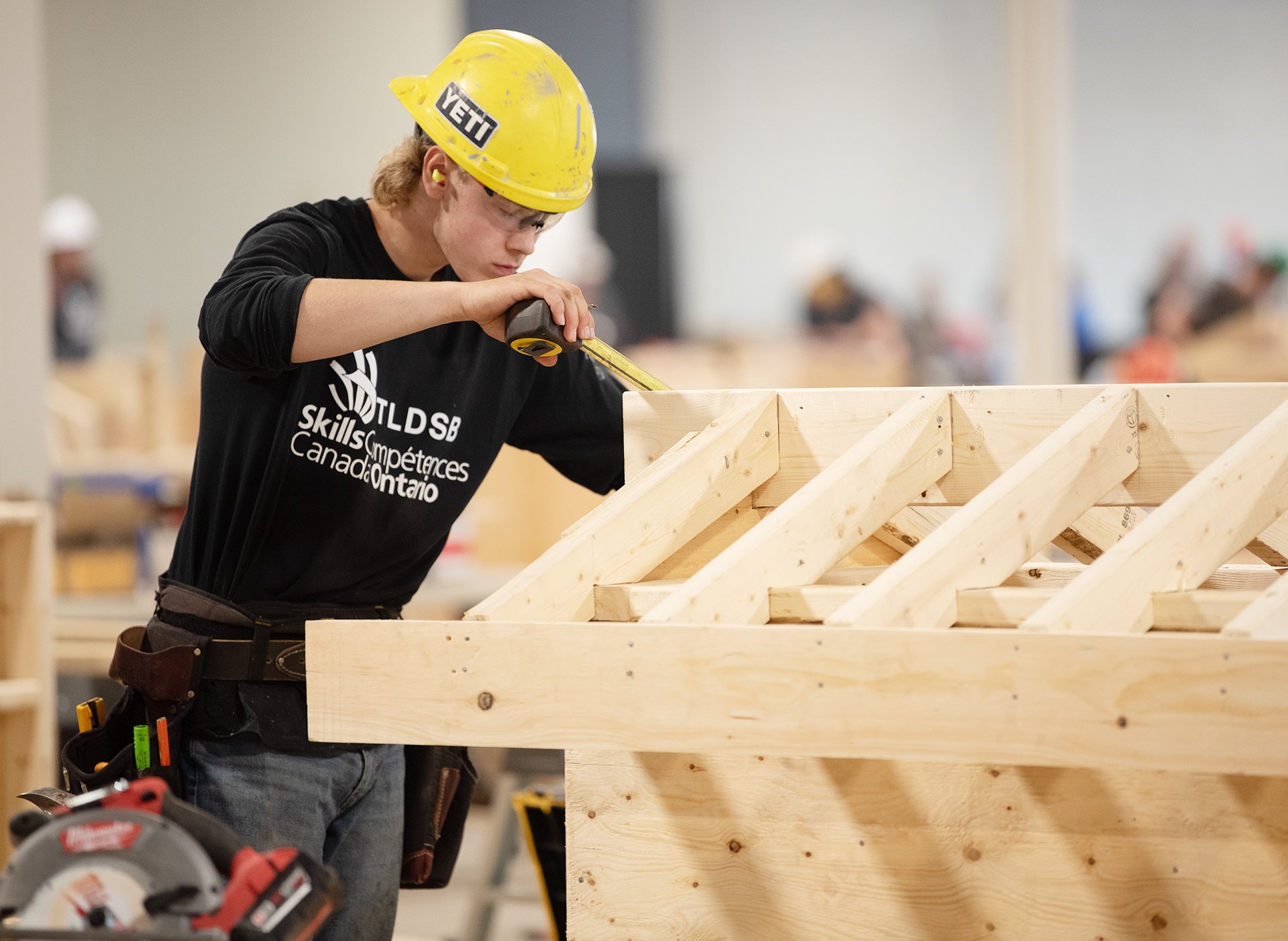
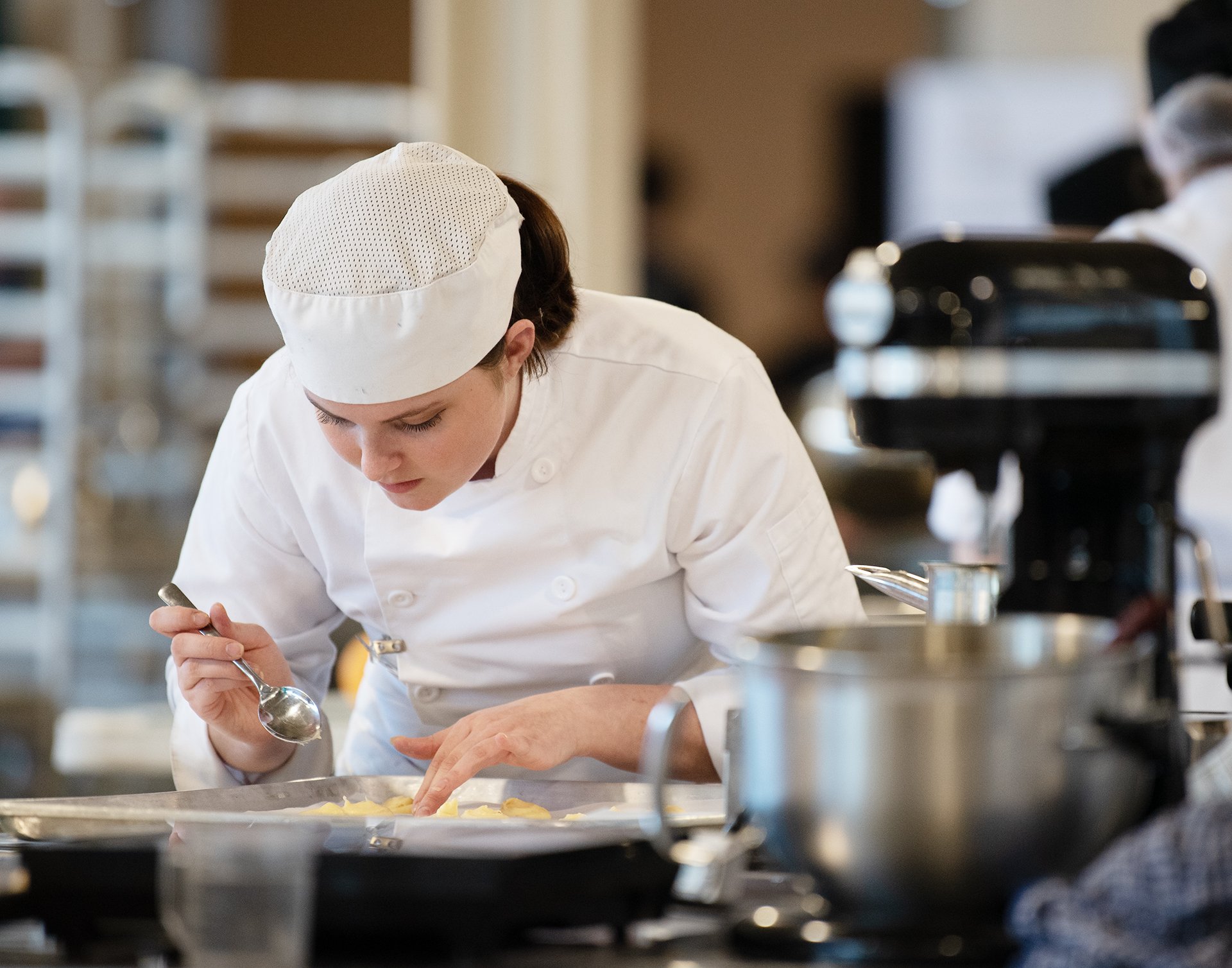
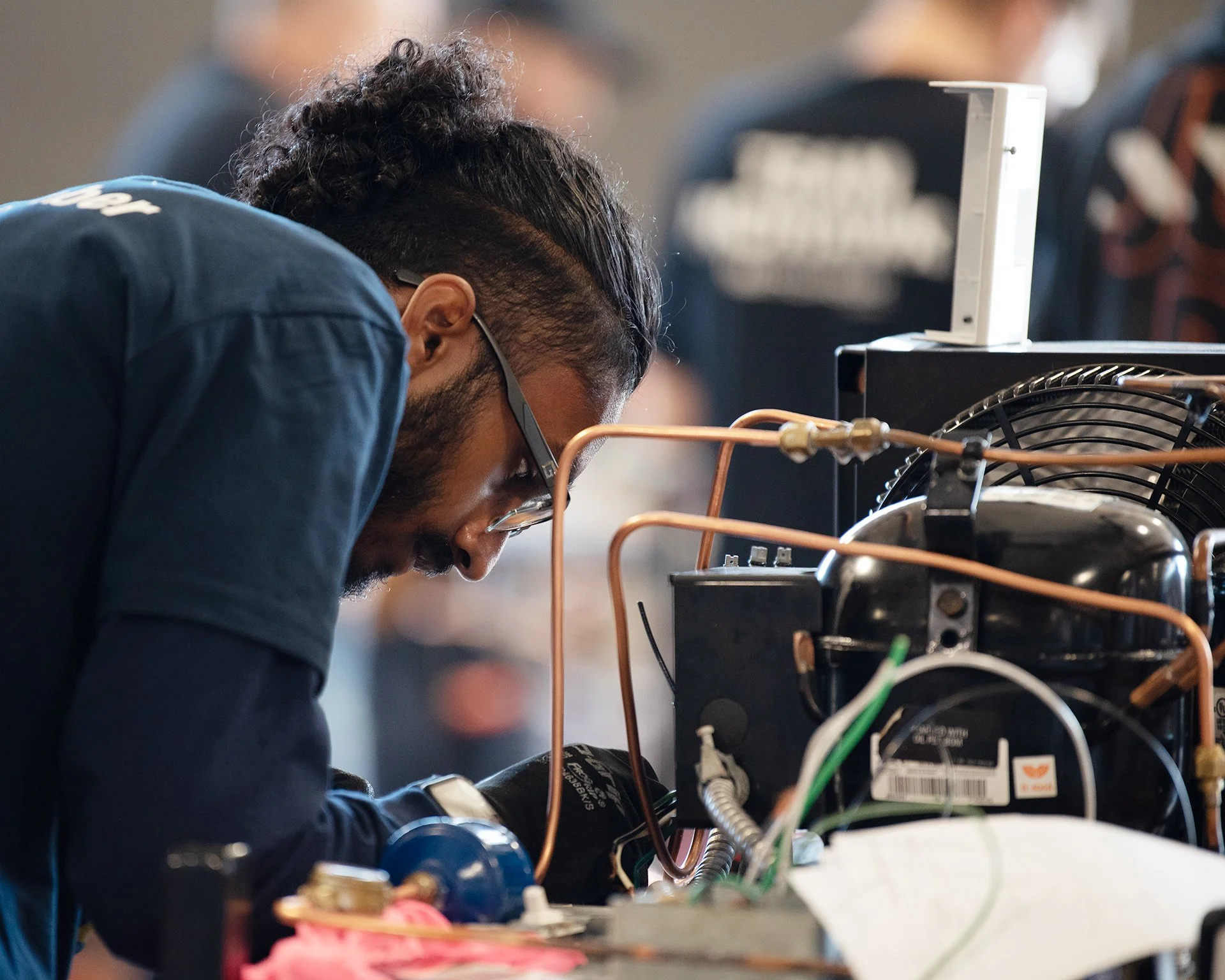
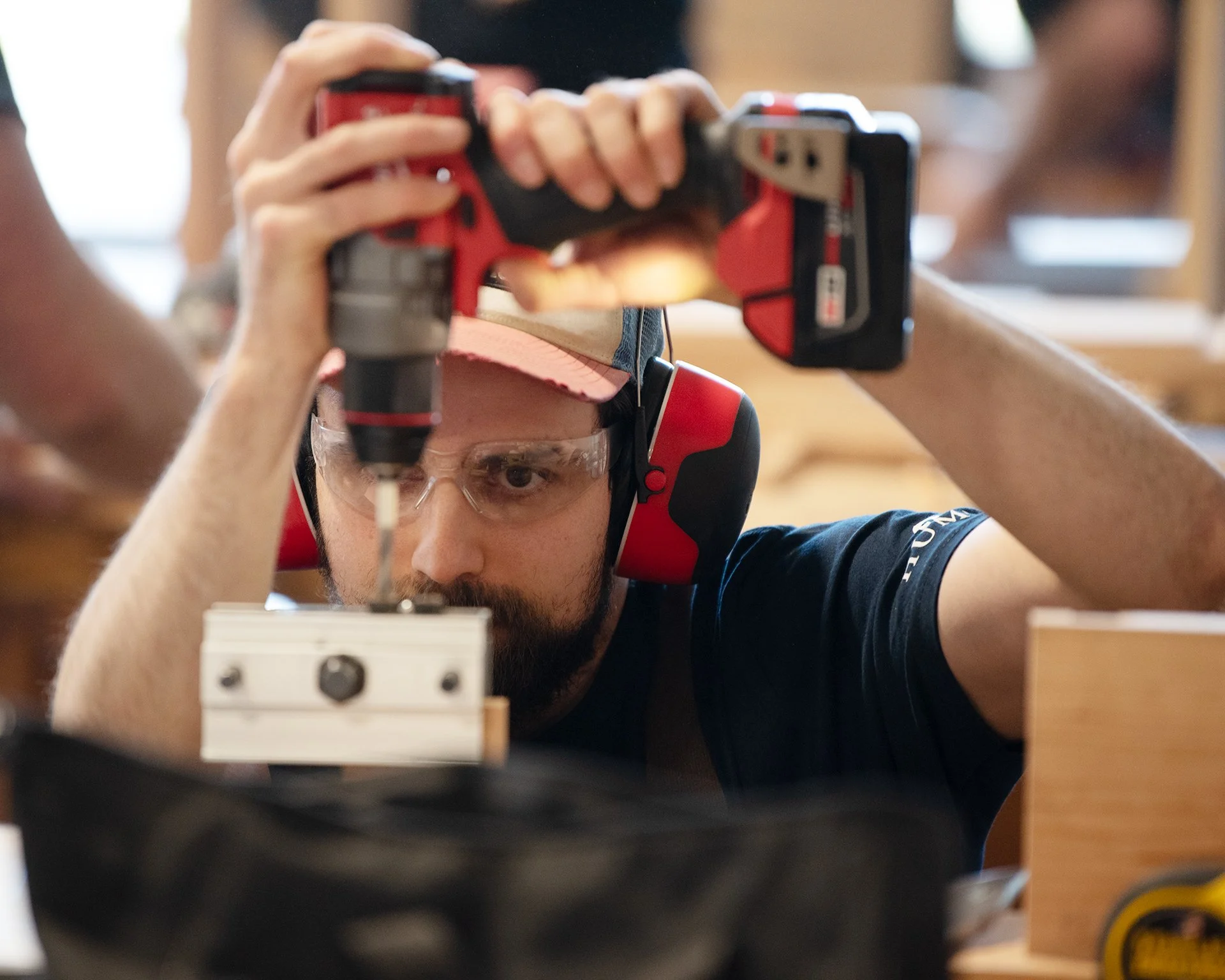
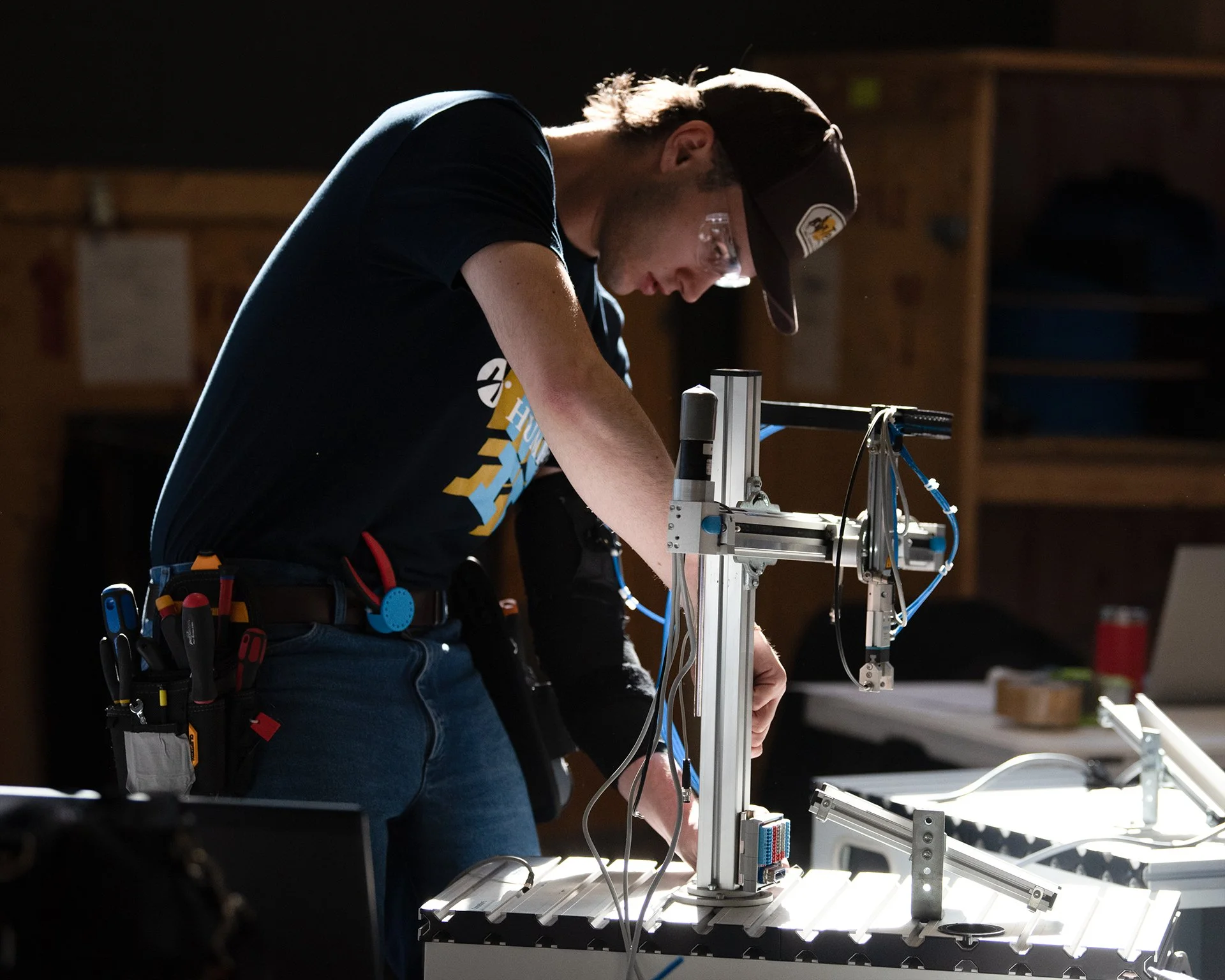

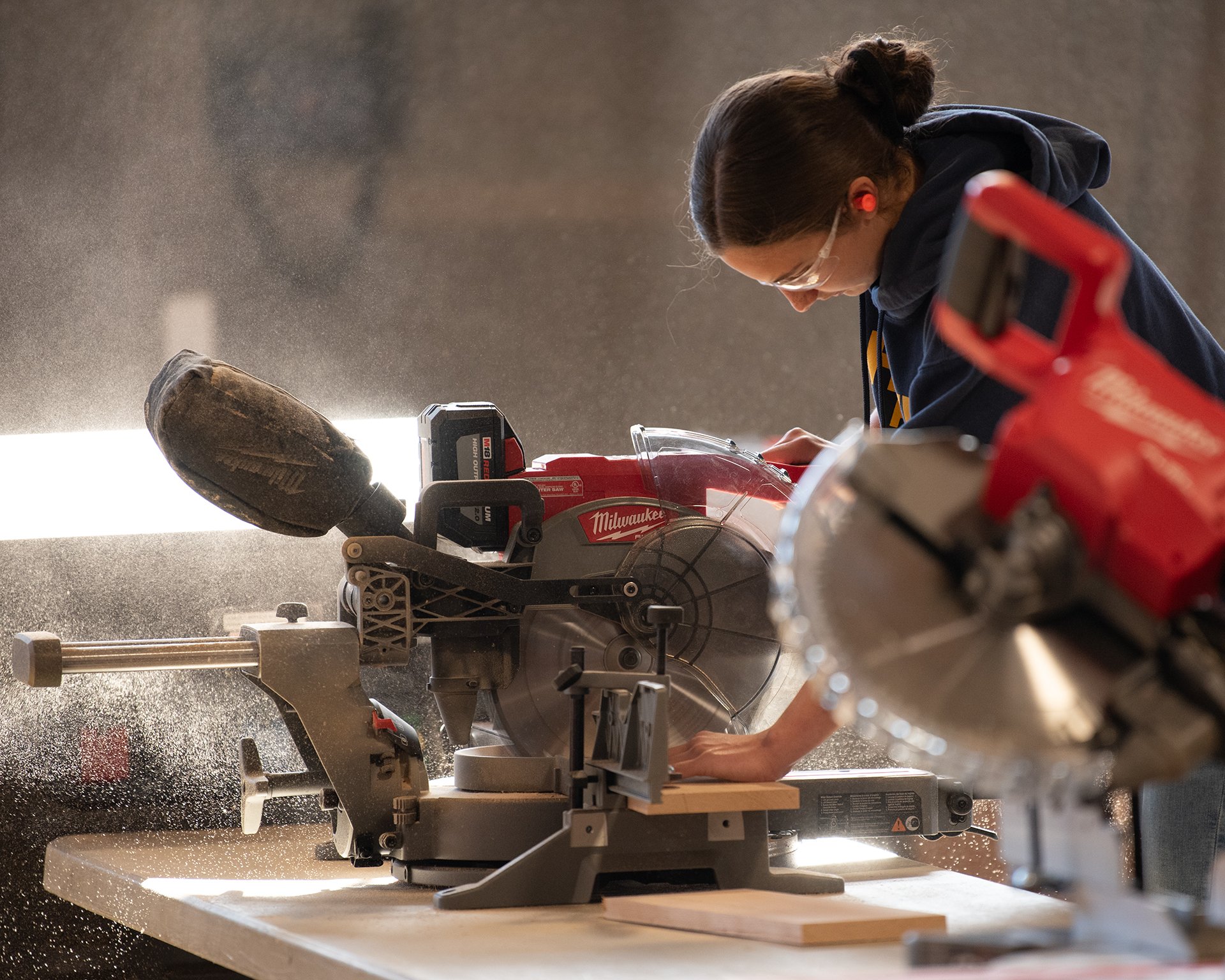
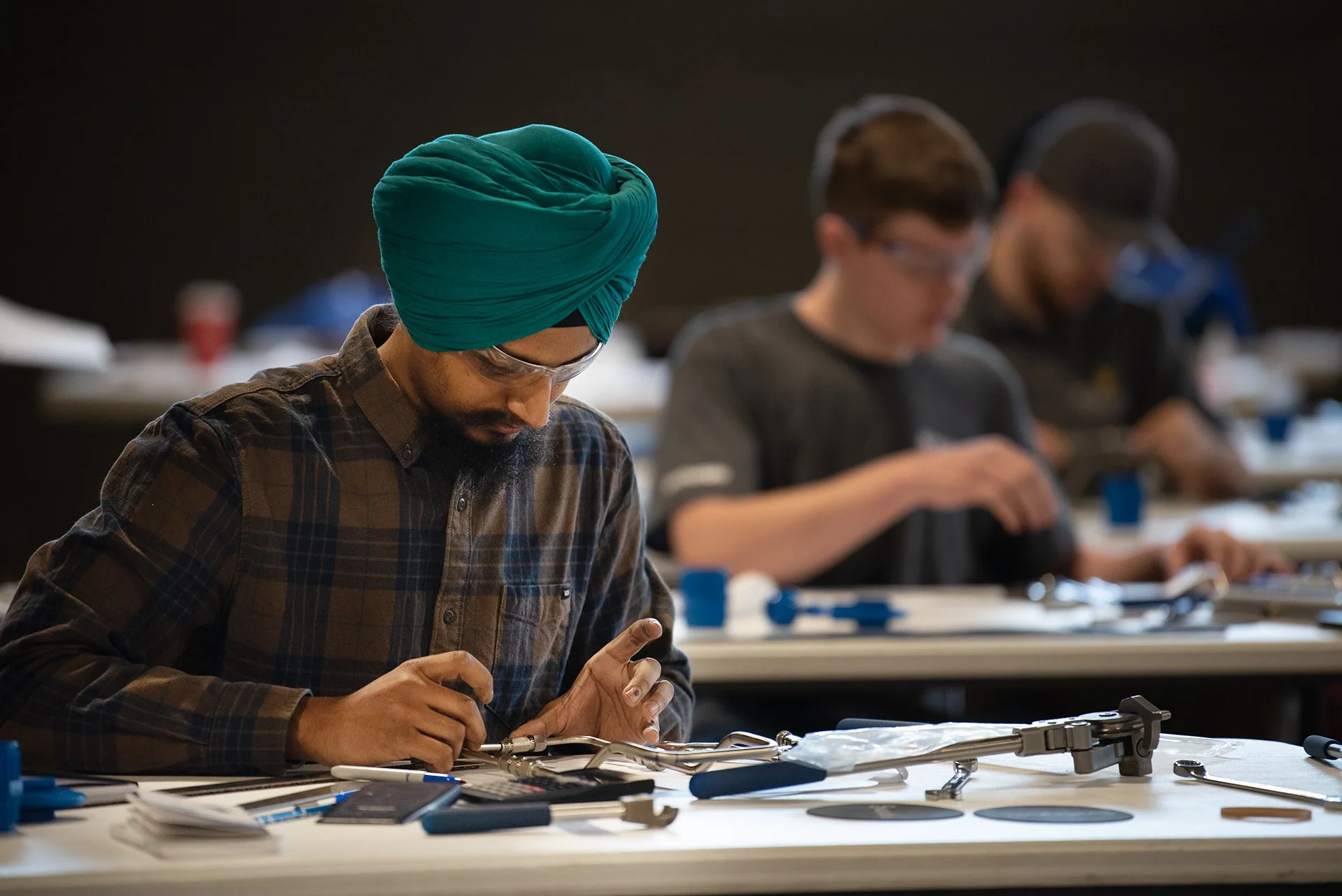
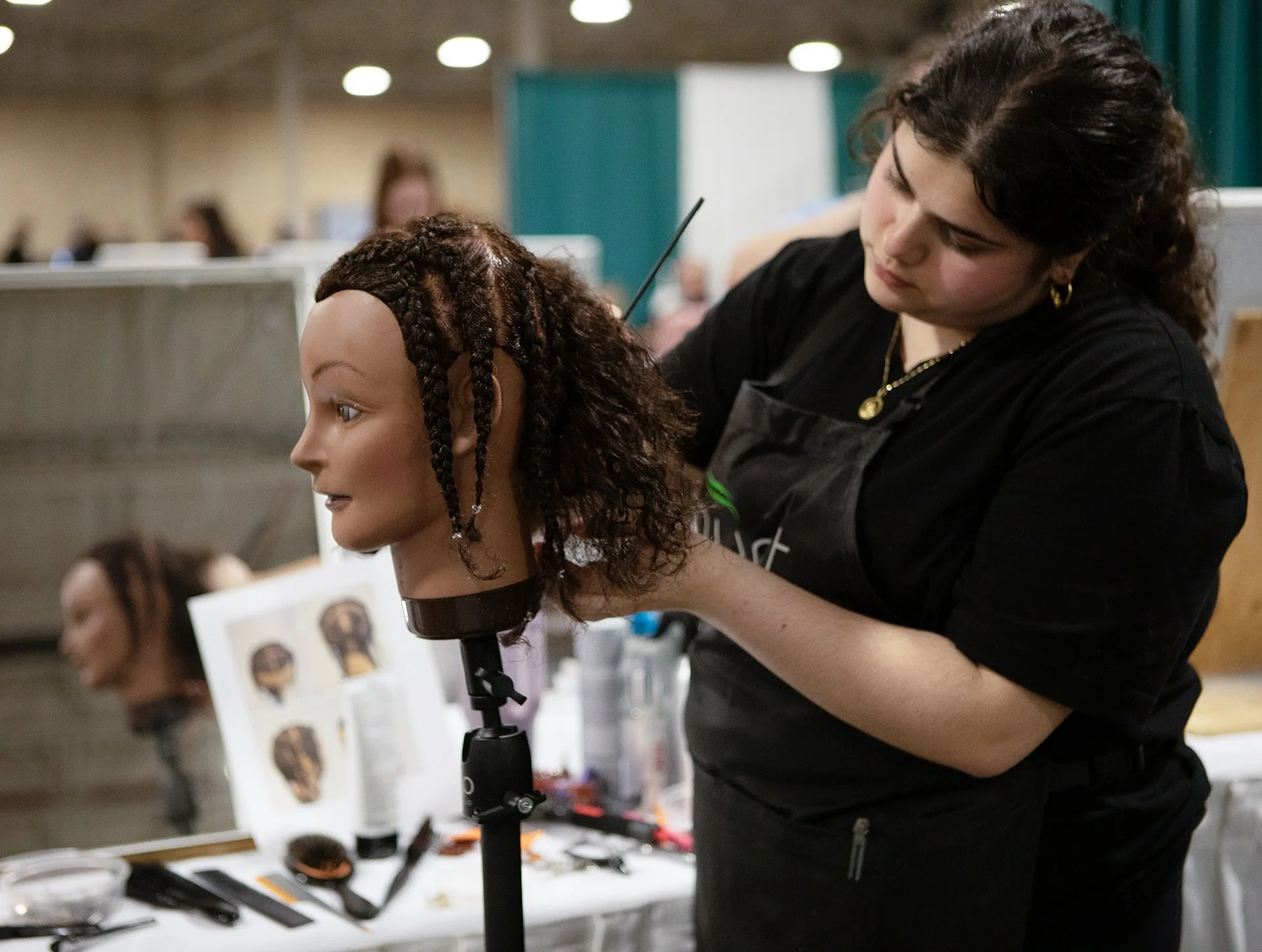
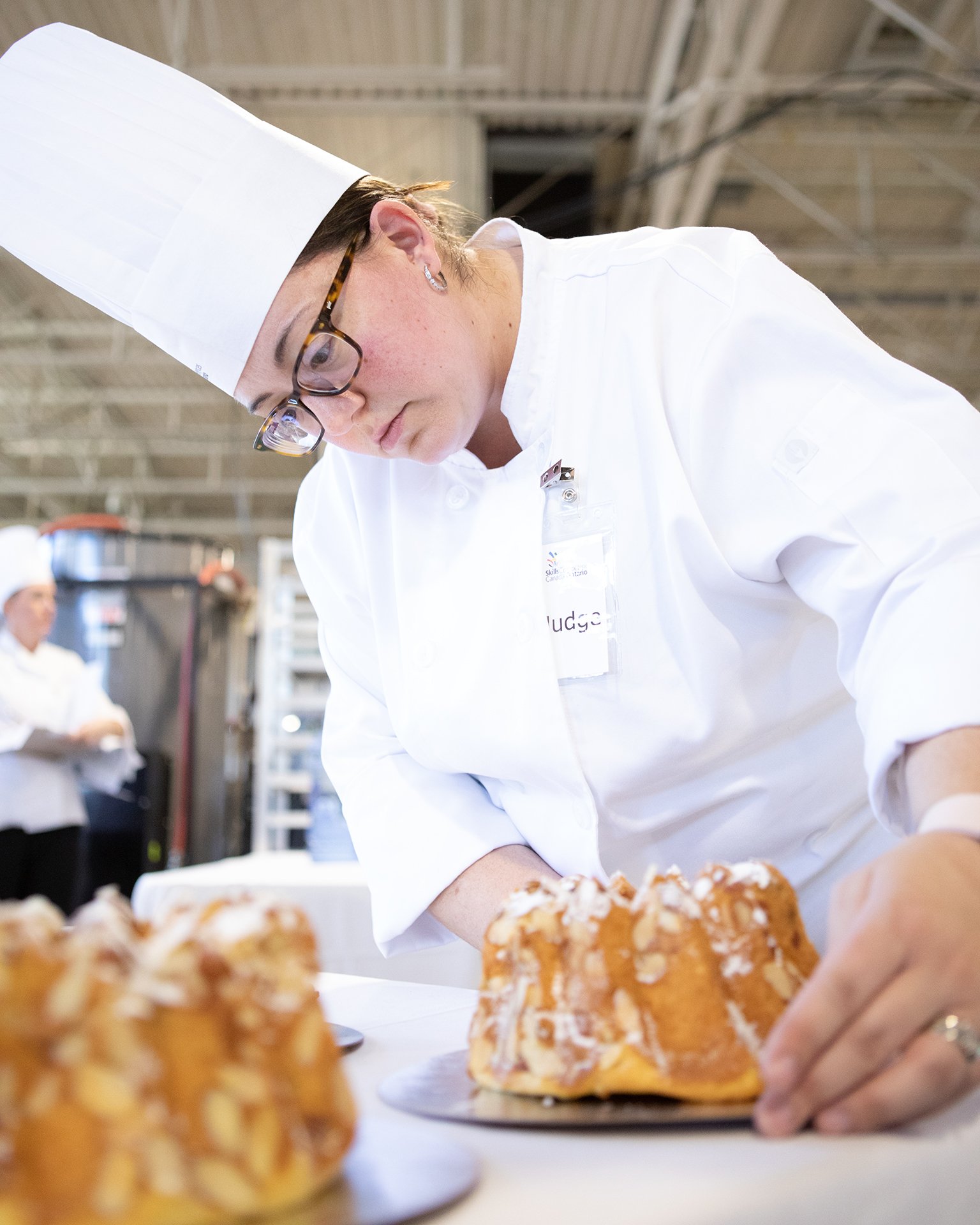


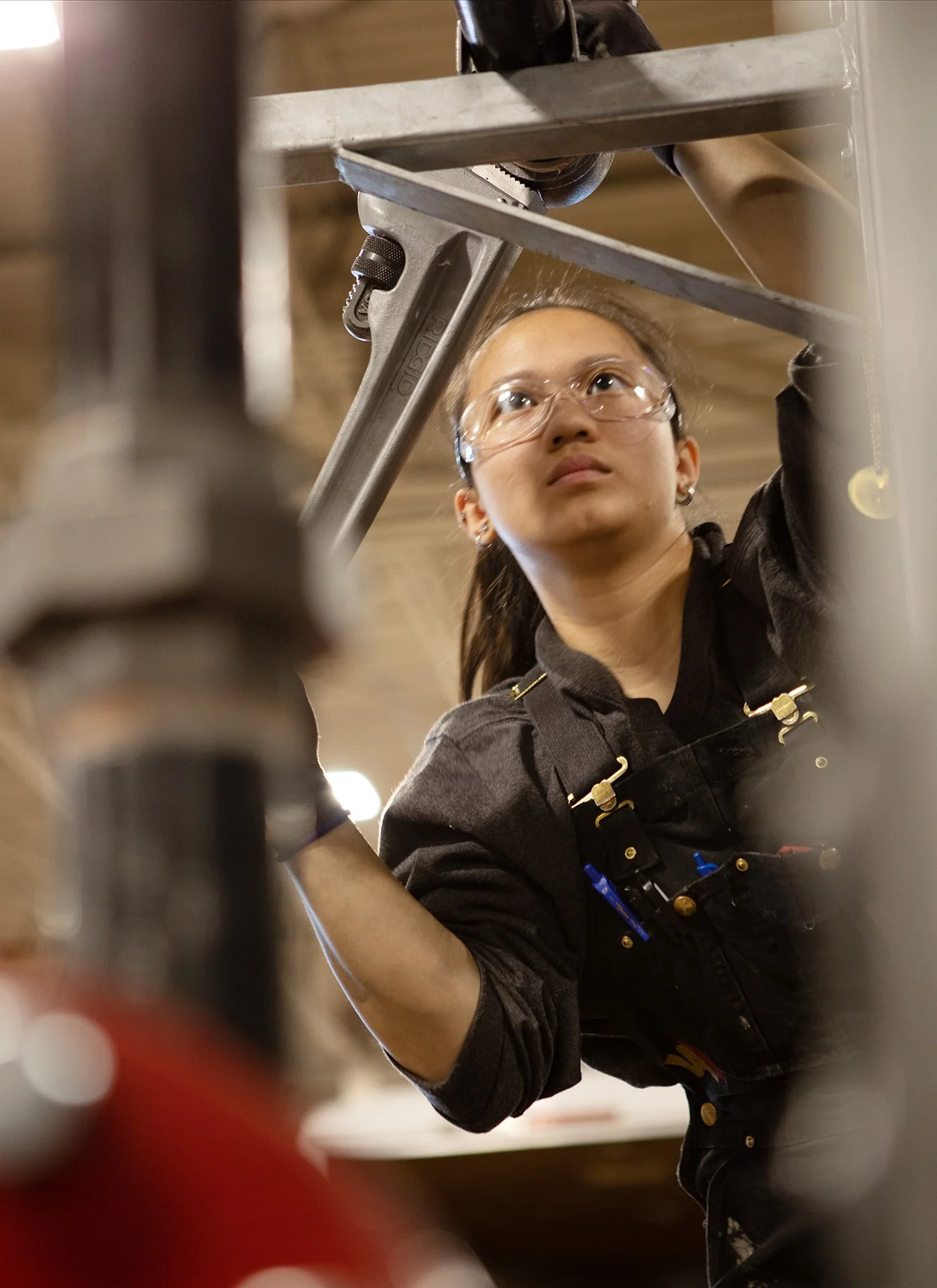
Post-Secondary Example: Delgado
Part 5: Product Photography Assignment
What this part of the challenge is about
Product photography tests lighting control, technical precision, and client-focused thinking. This part rewards photographers who can produce clean, commercially usable images within clear constraints.
The 2024 Spec
In 2024, the product assignment differed by level.
Secondary competitors worked from a WD-40 sponsorship brief, focused on creating a clean, effective product image tied to the competition. They could use any public area at the Skills Ontario competition, and either ambient light or their own optional lighting (like a speedlight or off-camera flash).
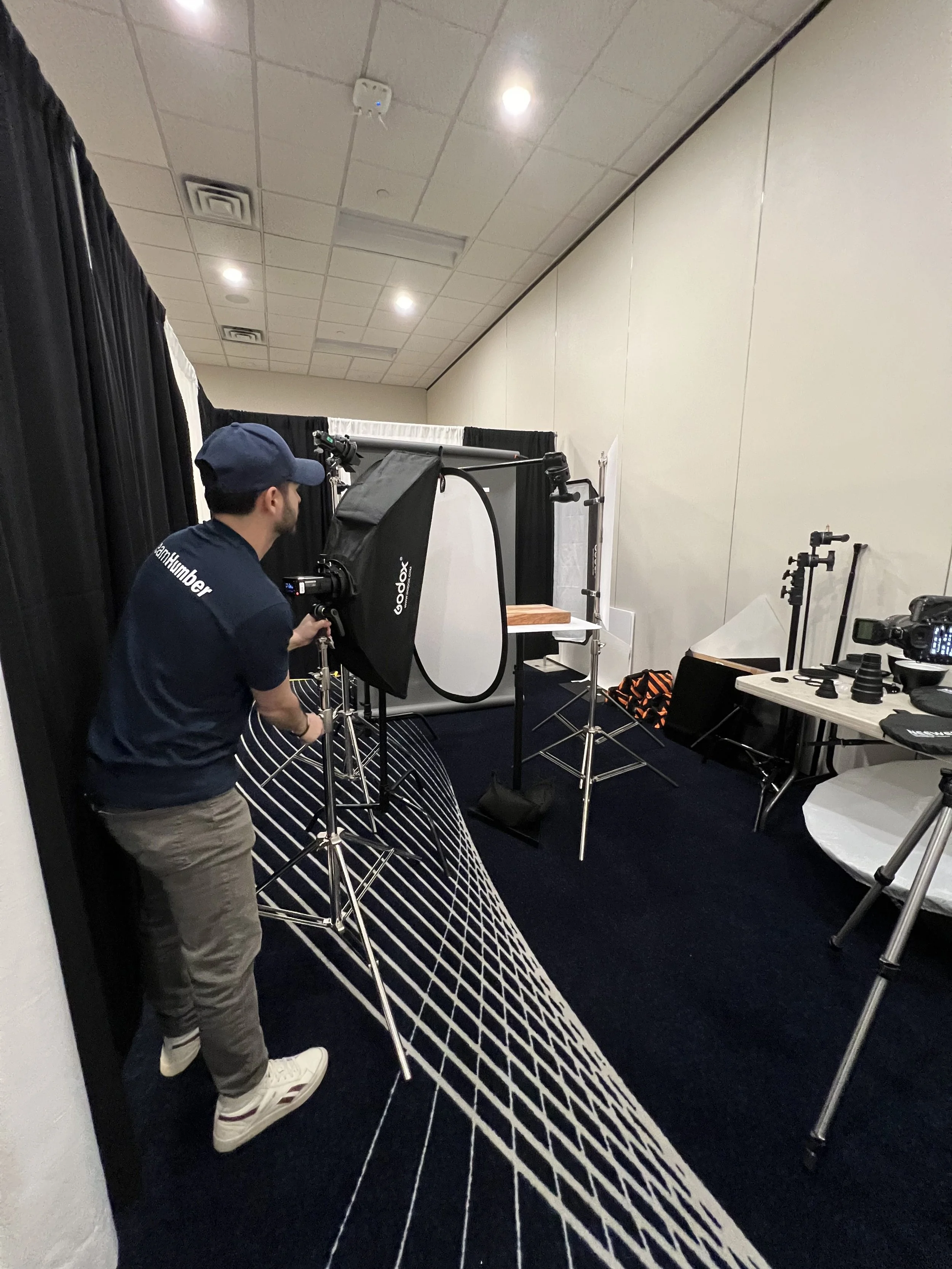
Post-Secondary competitors received a San Pellegrino advertising brief, with a stronger emphasis on brand tone, concept, and large-format commercial use. They also received 20 minutes of dedicated studio time, fully stocked with a variety of strobes, backdrops, modifiers and food styling gear.
You can view the full 2024 Scope and Spec Scope of Work documents here:
Secondary SOW, Secondary Scope (2024)
Post-Secondary SOW, Post-Secondary Scope (2024)
What we were looking for
Across both levels, strong product images showed intention and control. Lighting was purposeful, compositions were clean, and the final images felt appropriate for real-world commercial use.
-
The competition scope is the official document you receive in advance and the primary basis for judging.
The Spec Assignments (Statements of Work / SOWs) are provided during the competition, not ahead of time. They do not replace the scope. Instead, they add real-world context — similar to how photographers work with clients in professional practice.
Judges assess work based on the scope, but use the SOWs to understand whether the images produced are not only technically strong, but also appropriate for the client, purpose, and constraints described in the brief. In photography as a skilled trade, strong work still needs to be right for the job.
The scope, SOWs, and images change every year.
The examples shown on this page are from 2024 only and are provided for context and preparation — not as templates. You will not receive the same assignments, images, or briefs in 2026.If your work is visually strong but does not meet the requirements of the brief, it will not score as well as work that successfully balances creative quality and professional execution.
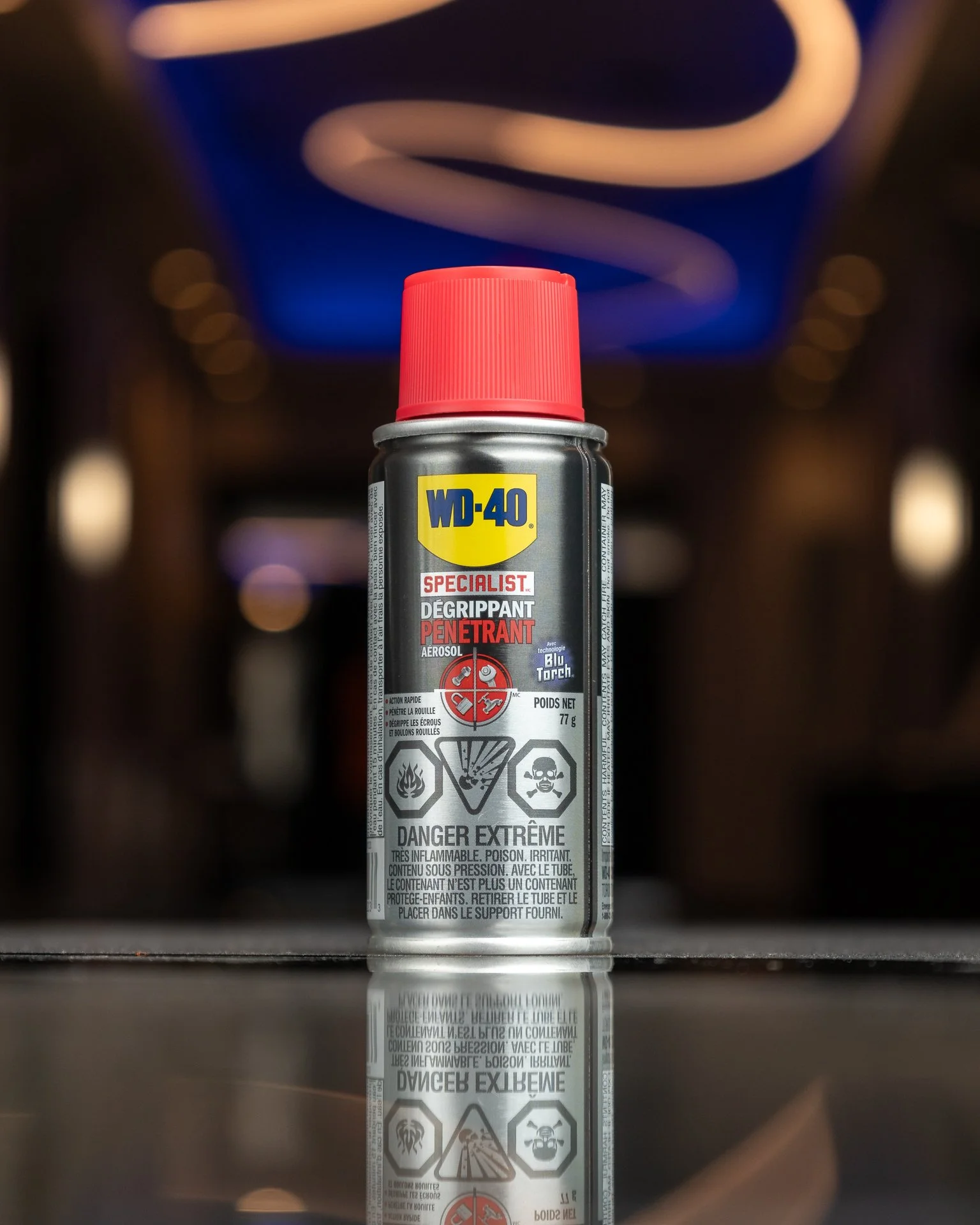
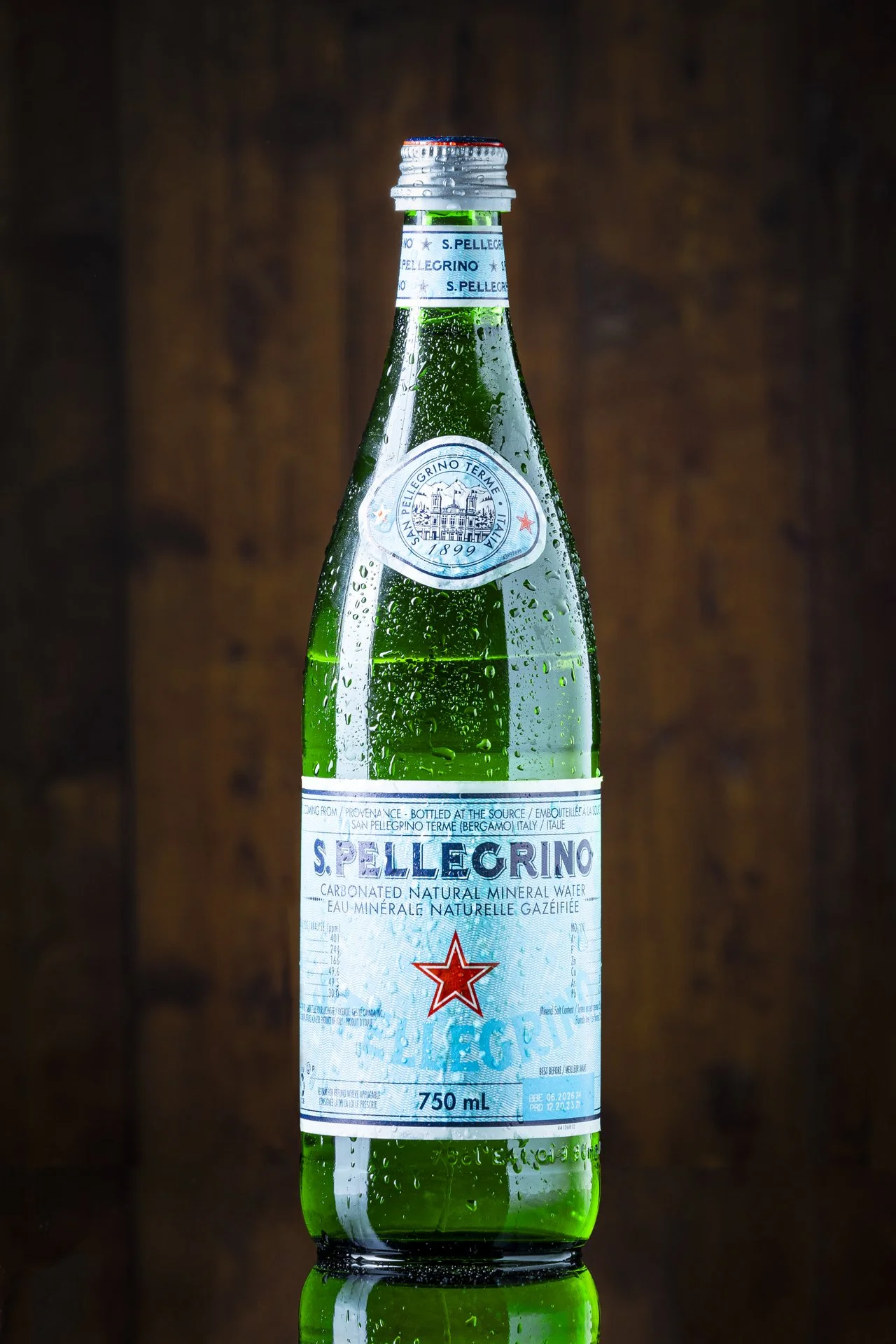
Secondary and Post-Secondary Examples: Marius & Brooke
Next Steps & Support
If you’re preparing for the competition and have questions, that’s completely normal, especially if this is your first time competing.
Start by downloading and reviewing this year’s official competition scope, as that document outlines the requirements you’ll be judged against:
→ Download the 2026 Photography Competition Scope
If something in the scope is unclear, or you’re unsure how to interpret a requirement, ask questions early. You can talk to your teacher or coach, or contact the tech chairs using the details provided in the scope. We’re happy to help clarify expectations so you can focus on doing your best work.
Use the 2024 examples on this page as a way to understand the level and approach we’re looking for, not as a prediction of exactly what you’ll be asked to do.
You don’t need to be perfect. You just need to read carefully, think critically, and try your best to deliver work that’s strong, thoughtful, and appropriate for the brief you’re given.
We’re looking forward to seeing what you create!